First-Timer’s Guide to South Korea: What I Wish I Knew Before My Seoul Trip — 2026
This article contains affiliate links. If you book or purchase through these links, WanderSteals may earn a commission at no additional cost to you. Read our affiliate disclosure.
First-Timer’s Guide to South Korea: What I Wish I Knew Before My Seoul Trip
✓ Updated May 2026A week in Seoul costs approximately AUD $2,200–$3,800 including return flights from Sydney or Melbourne, mid-range accommodation, meals, transport, and activities. After spending ten days exploring South Korea for the first time, I learned heaps about what works (and what doesn’t) when planning your trip—and honestly, I wish someone had told me these things before I booked.
Whether you’re planning a quick Seoul stopover or a full Korean adventure, this guide covers everything from visa requirements and currency to the best neighborhoods, must-try foods, and how to actually get around without losing your mind.
Guide To South Korea: How Much Does a Week in Seoul Actually Cost in 2026?
📋 Travel Advisory: Before you book, always check the latest Australian Government Smartraveller travel advisory — conditions can change quickly.
Right, let’s talk money. Seoul can be as cheap or as pricey as you make it, but here’s a realistic breakdown based on my recent trip and current 2026 prices.
| Expense Category | Budget Traveller | Mid-Range Traveller | Luxury Traveller |
|---|---|---|---|
| Return Flights (SYD/MEL) | AUD $600–$900 | AUD $900–$1,400 | AUD $1,400–$3,500 |
| Accommodation (7 nights) | AUD $280–$490 (hostels) | AUD $700–$1,200 (3-star hotels) | AUD $1,500–$3,500+ (5-star) |
| Food & Drinks (per day) | AUD $25–$40 | AUD $50–$80 | AUD $100–$200 |
| Transport (metro, buses) | AUD $40–$70 | AUD $70–$120 | AUD $150–$300 (taxis) |
| Activities & Attractions | AUD $100–$200 | AUD $250–$450 | AUD $500–$1,000 |
| TOTAL (7 days) | AUD $1,200–$2,000 | AUD $2,200–$3,800 | AUD $4,500–$9,000+ |
✈️ Book Cheap Flights to Seoul
Compare prices across hundreds of airlines and booking sites to find the best deals on flights to Incheon International Airport (ICN).
Do Australians Need a Visa to Visit South Korea?
Good news: Australian passport holders can enter South Korea visa-free for up to 90 days for tourism or business. You just need a passport valid for at least six months beyond your arrival date. I literally rocked up at Incheon, went through immigration in about fifteen minutes, and was on my way—easy as.
Just make sure you fill out the K-ETA (Korea Electronic Travel Authorization) online before you fly. It costs about AUD $15, takes ten minutes to complete, and approval usually comes through within 24 hours. Don’t skip this—immigration won’t let you in without it.
What’s the Best Time to Visit Seoul?
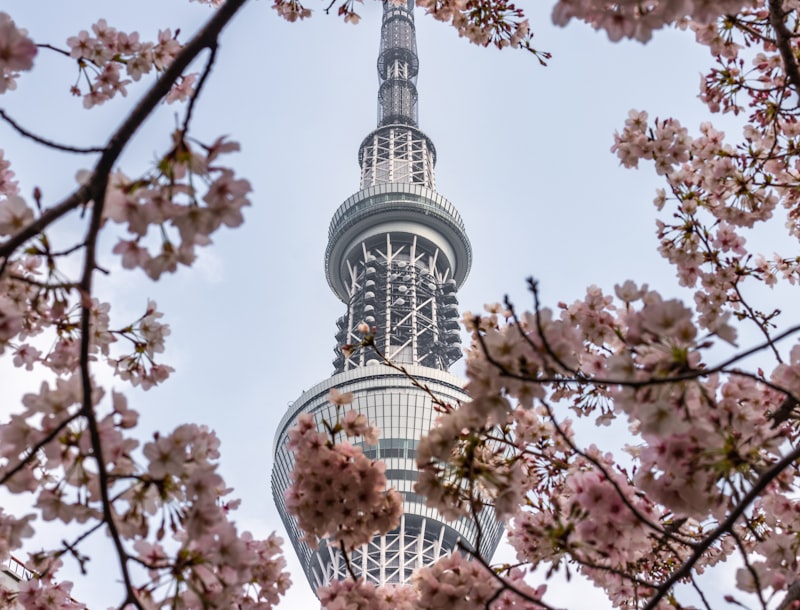
Hands down, April to May and September to November are the sweet spots. Spring brings cherry blossoms (absolutely stunning) and mild temps around 15–20°C, while autumn delivers crisp air, fiery foliage, and comfortable weather for walking tours.
I went in late April 2026 and it was perfect—light jackets during the day, not too crowded, and everything was blooming. Summer (June–August) gets swelteringly humid and monsoon-y, while winter (December–February) is freezing but great if you’re chasing snow and winter festivals.
Should I Visit Seoul During Cherry Blossom Season?
If you can swing it, absolutely. Cherry blossom season usually runs from late March through mid-April, and spots like Yeouido Park, Seoul Forest, and the streets around Gyeongbokgung Palace turn into pink wonderlands. Just know that accommodation prices spike and popular areas get packed with tourists and locals alike.
Where Should First-Timers Stay in Seoul?
Seoul’s massive, but these neighborhoods are brilliant for first-time visitors:
- Myeongdong: Central, touristy, close to shopping and street food. Great transport links.
- Hongdae: Artsy, young, buzzing nightlife. Think indie cafes, live music, and creative energy.
- Gangnam: Upscale, modern, K-pop vibes. Pricier but super polished.
- Insadong: Traditional, cultural, quieter. Perfect if you want tea houses and craft shops.
- Itaewon: International, diverse food scene, LGBTQ+-friendly. Feels cosmopolitan.
I stayed in Myeongdong and loved how easy it was to jump on the metro and reach anywhere in the city within 30 minutes. Plus, late-night snack runs were dangerously convenient.
🏨 Find Accommodation in Seoul
From budget guesthouses in Hongdae to luxury hotels in Gangnam, compare prices and read reviews before booking.
Related: Also see our guide on Best Time to Fly Brisbane to Bali 2026 (Month-by-Month).
Getting Around Seoul and Beyond
Seoul’s public transport is one of the best in the world. The T-money card (loaded at any convenience store for around 500 KRW) works on subways, buses, and even taxis. A single subway ride costs 1,400–1,600 KRW (roughly USD $1.05), making it far cheaper than rideshares for cross-city travel.
- Subway: 9 lines covering virtually every major attraction in Seoul. Get the Naver Maps app — it gives real-time directions in English.
- KTX bullet train: Seoul to Busan in 2.5 hours for around USD $40–55 one way. Book through Korail’s website at least 3 days ahead for the best seats.
- Airport Express (AREX): Incheon Airport to Seoul Station in 43 minutes for KRW 9,500 (~USD $7). Avoid the expensive private transfer services.
- Taxis: Reasonably priced by Western standards. A 20-minute city ride costs around USD $6–10. Use Kakao T for transparent pricing.
What to Eat and What It Actually Costs
| Meal type | Where | Avg cost (USD) |
|---|---|---|
| Street food meal (tteokbokki, kimbap, hotteok) | Street stalls, markets | $2–5 |
| Restaurant lunch set | Local Korean restaurants | $6–10 |
| Korean BBQ dinner (per person) | KBBQ restaurants | $15–30 |
| Convenience store meal (GS25, CU) | Everywhere, open 24/7 | $3–7 |
| Coffee + dessert cafe | Hongdae, Insadong | $5–9 |
Gwangjang Market (Seoul) is the single best place for cheap authentic food. Try the bindaetteok (mung bean pancakes) and mayak gimbap for under $3 each.
Practical Tips: Visa, SIM, and Money
- Visa: Most nationalities (US, UK, EU, Australia, Canada) get 90 days visa-free. Check current entry requirements before booking.
- SIM card: Get a 30-day tourist SIM at the airport for around USD $25–35. SK Telecom and KT both offer unlimited data options. Alternatively, rent a pocket Wi-Fi at Incheon.
- Currency: South Korea is still largely cash-based for smaller vendors and markets. Withdraw KRW from ATMs at 7-Eleven or GS25 — they accept foreign cards with low fees. Credit cards work everywhere in larger shops and restaurants.
- Tipping: Not customary. Do not tip at restaurants or taxis — it can actually cause confusion or offence.
- Language: Google Translate’s camera mode handles Korean menus well. Most younger Koreans in Seoul speak conversational English, especially in tourist areas.
Day Trips Worth Making
Seoul is an excellent base for day trips. All reachable by public transport:
- Suwon Hwaseong Fortress — 30 min by subway, free to walk the walls, fortress entry USD $1.20
- Nami Island + Petite France — 2 hours by train + ferry, popular for autumn foliage (October is stunning)
- DMZ tour — guided day tours from Seoul start around USD $40–70. Book via reputable tour operators listed on our travel guides
- Busan — Korea’s second city is worth 2–3 nights if your itinerary allows. Haeundae Beach, Gamcheon Culture Village, and Jagalchi Fish Market are the highlights
Frequently Asked Questions
Is South Korea expensive to visit?
South Korea sits in the mid-range for Asia. Budget travellers spending USD $60–80/day (hostel, street food, transit) can do it comfortably. Mid-range travellers spending $120–180/day get private hotels, restaurant meals, and comfortable experiences. Flights from Western countries are the biggest cost.
What is the best time of year to visit South Korea?
Spring (March–May) for cherry blossoms and mild weather is the most popular time. Autumn (September–November) for fall foliage is a close second. Avoid July–August (hot, humid, typhoon season) and December–February unless you’re into skiing at Pyeongchang.
Do I need to speak Korean to travel in South Korea?
No. Seoul and major tourist areas have excellent English signage on public transport, menus in English at many restaurants, and most hotel staff speak English. Google Translate handles the rest. Learning basic words (hello = annyeonghaseyo, thank you = gamsahamnida) goes a long way culturally.
How many days do you need in South Korea?
A minimum of 7 days gives you 4–5 days in Seoul plus a day trip or two. 10–14 days lets you add Busan, Gyeongju, and Jeju Island comfortably. Seoul alone could fill a week for first-timers.
Is South Korea safe for solo travellers?
South Korea is consistently ranked one of the safest countries for solo travel, including for solo female travellers. Violent crime is extremely rare. Stay aware of traffic (pedestrian crossings are observed but scooters sometimes ignore them) and be cautious in Itaewon’s late-night bar district.
What should I pack for South Korea?
Comfortable walking shoes (Seoul involves a LOT of walking), a light layer for air-conditioned spaces (Korean A/C is aggressive), a reusable bag (plastic bag fees apply), and a power bank. Korean skincare products are world-class and cheap — buy them there, not before you go.
Can I use my credit card in South Korea?
Yes, Visa and Mastercard are accepted in most larger venues, restaurants, and shops. However, smaller markets, street food stalls, and some traditional restaurants are cash-only. Carry at least 50,000–100,000 KRW (USD $35–75) in cash for daily use.
What are the best apps for navigating South Korea?
Naver Maps is more accurate than Google Maps for Korean public transit. KakaoT for taxis. Papago for translation (better than Google Translate for Korean). Coupang Eats or Baemin for food delivery if you’re staying somewhere with a kitchen.
WanderSteals Verdict
South Korea punches above its weight for value. You get world-class cities, stunning nature, incredible food, and excellent transport for a fraction of what Japan costs. First-timers consistently rank it among their best trips. Compare flights to Seoul — it’s easier to get to than you think.