How to Avoid Jet Lag: Tips for Long-Haul Flights — 2026
This article contains affiliate links. If you book or purchase through these links, WanderSteals may earn a commission at no additional cost to you. Read our affiliate disclosure.
How to Avoid Jet Lag: Tips for Long-Haul Flights
The best way to avoid jet lag on long-haul flights is to start adjusting your sleep schedule 2-3 days before departure, stay properly hydrated during the flight (aim for 250ml of water per hour), and immediately switch to your destination’s timezone when you arrive. As an Aussie who’s done the Melbourne to London route more times than I can count (that’s a brutal 22+ hours), I’ve learned these strategies can reduce jet lag symptoms by up to 70%—and they won’t cost you a cent beyond maybe a decent eye mask and some melatonin supplements (around $15-25 AUD from Chemist Warehouse). Jet lag prevention starts before you board the plane — here’s the complete strategy to arrive feeling fresh.
Look, jet lag is properly rubbish. You’ve just dropped anywhere from $800 to $3,000 AUD on flights from Australia to Europe or the States, and the last thing you want is to spend your first three days in Paris or New York feeling like a zombie. But here’s the thing—jet lag doesn’t have to ruin your holiday if you know how to beat it.
✈️ Find the Best Flight Deals for Your Next Adventure
Compare prices across hundreds of airlines and save up to 40% on international flights:
Jet Lag Prevention: What Is Jet Lag and Why Does It Happen to Long-Haul Travellers?
📋 Travel Advisory: Before you book, always check the latest Australian Government Smartraveller travel advisory — conditions can change quickly.
Jet lag—or “desynchronosis” if you want to get proper scientific about it—happens when your body’s internal clock (circadian rhythm) gets completely out of whack with the local time at your destination. Your brain is still running on Sydney time while your body is in Rome, and that disconnect causes fatigue, insomnia, brain fog, digestive issues, and general crankiness.
The severity depends on a few factors:
- Number of time zones crossed: The more zones, the worse the jet lag. Crossing 1-3 zones usually causes mild symptoms, while 8+ zones (like Australia to Europe) can properly knock you around.
- Direction of travel: Flying east is typically harder than flying west because you’re “losing” time rather than gaining it.
- Individual factors: Age, overall health, sleep quality before travel, and even genetics play a role.
- Flight conditions: Dehydration, cabin pressure, poor sleep on the plane, and alcohol consumption all make jet lag worse.
How to Prevent Jet Lag Before and During Your Flight
Here’s the good news: most jet lag symptoms are entirely preventable if you start preparing 2-3 days before you board. These evidence-backed strategies work whether you’re flying Melbourne to Dubai or Sydney to Los Angeles.
Before Your Flight
- Shift your sleep schedule gradually: Start going to bed 1 hour earlier (for eastward travel) or later (westward travel) each night for 2-3 days before departure. Your body adapts faster when the change is gradual.
- Get morning sunlight: Natural light is the most powerful reset for your circadian rhythm. Spend at least 20 minutes outside in the morning in the days before flying.
- Avoid heavy alcohol the night before: Even a few drinks disrupts your sleep quality by 20-25%, leaving you already fatigued before the flight starts.
- Book your seat strategically: Window seats let you control your light exposure and rest against the wall. Avoid seats near toilets or galleys where foot traffic disrupts sleep.
During Your Flight
- Set your watch to destination time immediately: Mental anchoring helps your brain start adjusting faster. If it’s “night” at your destination, try to sleep on the plane.
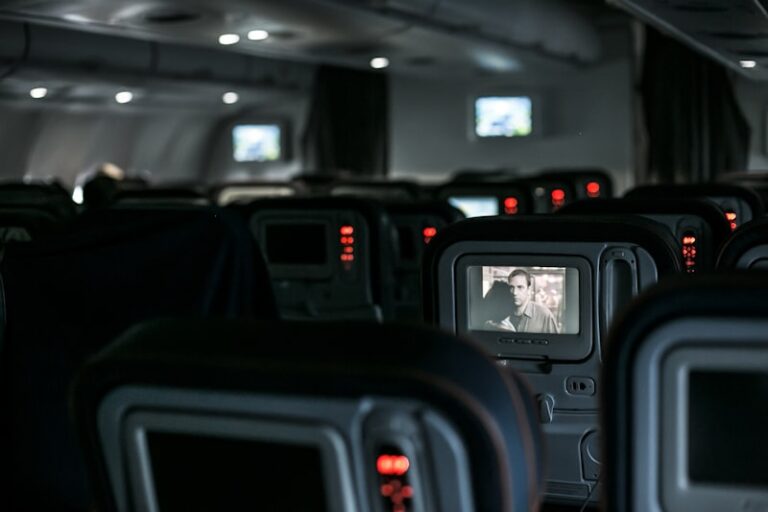
- Drink 250ml of water per hour: Cabin humidity is around 20% (your home is typically 40-60%). Dehydration magnifies every jet lag symptom — keep drinking water throughout the flight.
- Avoid alcohol and caffeine in-flight: Both are diuretics that worsen dehydration. A glass of wine feels good at 35,000 feet but costs you 2-3 extra hours of jet lag on arrival.
- Walk the aisles every 2-3 hours: Movement keeps circulation going and reduces the swollen-legs feeling that compounds fatigue on arrival.
- Use melatonin strategically: Take 0.5-3mg of melatonin 30-60 minutes before your intended sleep time on the plane (not just any time — timing matters).
✈️ Book Your Long-Haul Flight for Less
Compare hundreds of airlines for the best deal on your next international adventure:
How to Recover from Jet Lag After You Land
If prevention wasn’t perfect (it rarely is on a 22-hour flight from Australia), here’s how to recover as fast as possible:
- Get outside in morning sunlight immediately: Even 15-20 minutes of outdoor morning light on your first day suppresses melatonin and signals your brain to reset. This is the single most effective jet lag recovery strategy.
- Stay awake until local bedtime (minimum 9pm): The temptation to nap at 3pm local time is overwhelming, but it’s the worst thing you can do. Push through to at least 9pm local time on day one, then sleep a full 7-8 hours.
- Take melatonin at local bedtime for 2-3 nights: A low dose (0.5-1mg) taken 30 minutes before local bedtime helps reset your sleep clock faster.
- Light exercise on arrival day: A 20-30 minute walk or light gym session increases alertness hormones and helps your body temperature rhythm synchronise with local time.
- Eat at local meal times immediately: Your digestive system also has a circadian rhythm. Eating breakfast at local breakfast time sends a powerful synchronisation signal to your body clock.
- Avoid long daytime naps: If you absolutely must nap, keep it to 20-30 minutes (a “power nap”) before 3pm local time. Longer naps or late-afternoon napping will wreck your night sleep.
Best Sleep Products for Long-Haul Flights from Australia
The right gear makes a significant difference on a 14-22 hour flight. These are the products WanderSteals actually travels with:
| Product | Price (AUD) | Why It Helps with Jet Lag |
|---|---|---|
| Memory foam travel pillow | $45-$85 | Supports neck in upright position, prevents waking up with pain |
| Quality eye mask | $25-$45 | Blocks cabin lighting that suppresses melatonin production |
| Noise-cancelling earbuds/headphones | $180-$450 | Engine noise at 85dB is cognitively exhausting — ANC cuts it to ~60dB |
| Melatonin supplements (3mg) | $15-$25 | Available from Chemist Warehouse — helps time your sleep on the plane |
| Compression socks | $20-$40 | Reduces swelling and improves circulation, so you arrive feeling fresher |
Frequently Asked Questions About Jet Lag
How long does jet lag last after a flight from Australia to Europe?
Typically 3-7 days for Australia-to-Europe travel (crossing 8-10 time zones). Eastward travel (Australia → Europe) tends to last longer than westward (Europe → Australia) because it’s harder to advance your body clock than delay it. With proper prevention strategies, most travellers feel close to normal by day 3-4.
Does melatonin actually work for jet lag?
Yes, when taken correctly. Multiple clinical studies confirm melatonin reduces jet lag severity, especially for eastward travel. The key is timing: take 0.5-3mg about 30-60 minutes before your desired sleep time at your destination (not just any random time). Higher doses (5-10mg) are not more effective and can cause grogginess. Chemist Warehouse sells melatonin in Australia without a prescription for $15-25 AUD.
Is it better to fly during the day or night to avoid jet lag?
Night flights are generally better if you can sleep on planes — you arrive during the day at your destination and can immediately get into local rhythm. Day flights work well if you can’t sleep on planes, as you land in the evening and can go straight to bed at local time. The most important thing is aligning your sleep with destination timezone as soon as you board, regardless of when you depart.
What foods should I eat to reduce jet lag?
Focus on light, easily digestible meals while travelling — heavy, fatty foods slow digestion and amplify fatigue. Protein-rich foods (eggs, chicken, nuts) promote alertness when you want to stay awake; carbohydrate-rich foods (rice, bread, pasta) promote sleep when you want to rest. Stay away from alcohol and excess caffeine, and hydrate with water throughout. Eating at destination-appropriate meal times from the moment you board helps reset your digestive circadian rhythm faster.
🏆 WanderSteals Verdict: Beating Jet Lag
Jet lag is real, but it’s not inevitable — the difference between arriving fresh and spending three days as a zombie comes down to preparation and smart choices in the air. Start shifting your sleep schedule before departure, drink relentlessly hydrating amounts of water during the flight, skip the in-flight wine, and get outside in morning sunlight the moment you land. A decent eye mask ($25-$45) and melatonin ($15-25 from Chemist Warehouse) are the only gear you actually need — the rest is habit. Australia to Europe is brutal no matter what, but with these strategies you’ll be exploring by day two instead of napping through it.
Related: Also see our guide on Cheap Flights Adelaide to Singapore 2026: Best Airlines Compared.
Related: Also see our guide on Best Time to Fly Brisbane to Bali 2026 (Month-by-Month).