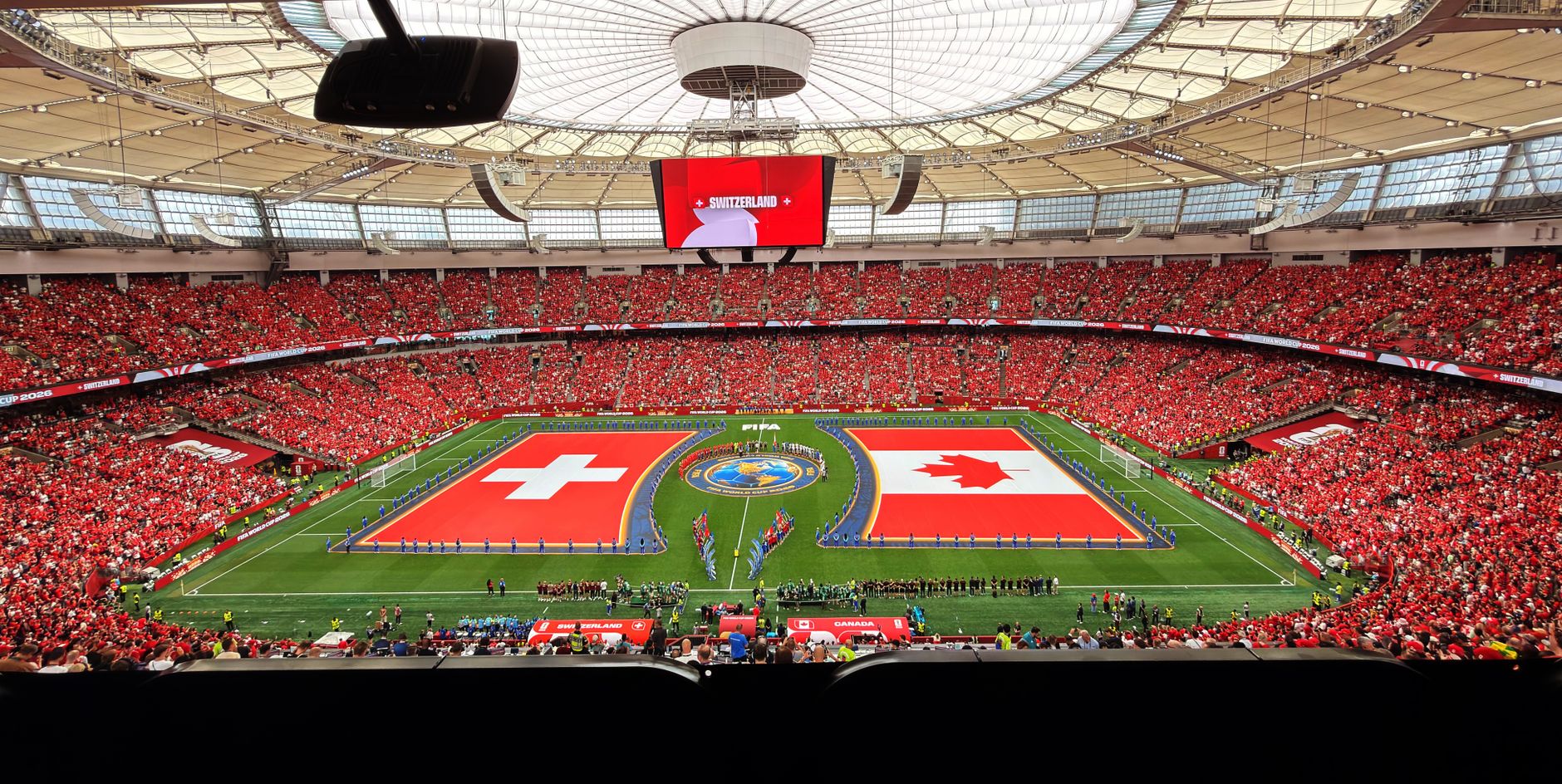
Getting from the Airport to World Cup 2026 Stadiums
This article contains affiliate links. If you book or purchase through these links, WanderSteals may earn a commission at no additional cost to you. Read our affiliate disclosure.
✈️ Search Cheap Flights on Aviasales →
🎒 Search Tours & Stays on Klook →
Quick Answer: For most World Cup 2026 host cities, a pre-booked private transfer is the most reliable airport-to-stadium option on match day. Costs run $35–$120 USD depending on the city, with journey times of 20–60 minutes. Compare fixed-price transfers instantly on KiwiTaxi → or Welcome Pickups →
The fastest and cheapest airport-to-stadium route depends entirely on which city you’re in. Transit is excellent in New York, Los Angeles, and Toronto. In Dallas, Kansas City, and Guadalajara, you’ll want a rideshare or private transfer — public transport simply doesn’t reach the venues reliably.
Airport to Stadium Options Across All 16 Host Cities
Use this table as your starting reference. Costs are one-way per person for transit and rideshare, or per vehicle for private transfer.
| Method | Cost (USD) | Typical Time | Best For |
|---|---|---|---|
| Public Transit (subway/metro/bus) | $2–$10 | 30–60 min | New York, LA, Toronto, Chicago, Boston, Seattle |
| Rideshare (Uber/Lyft/DiDi) | $25–$80 | 20–45 min | All cities — avoid match-day surges |
| Private Transfer (pre-booked) | $35–$120 | 20–60 min | Groups, early flights, car-dependent cities |
| Car Rental | $40–$90/day | Variable | Multi-city trips, suburbs without transit |
| Official Shuttle (FIFA/venue) | $10–$25 | 30–50 min | Where available — check venue pages |
Tip: If you’re flying into Newark (EWR) for MetLife Stadium, the NJ Transit train to Secaucus then a connecting service is the cheapest route at around $8. Do not rely on Uber from EWR on match day — surge pricing regularly hits $90–$140.
Private Transfers vs Rideshare vs Transit — When Each Makes Sense
Pre-booked private transfer is the right call when you have a group of three or more, checked luggage, or you’re landing in a car-dependent city like Dallas, Houston, Kansas City, or Guadalajara. The fixed price means no surge surprises. Book ahead on KiwiTaxi →, Welcome Pickups →, or GetTransfer →
Rideshare works well for off-peak arrivals — think Tuesday afternoon before a Thursday match. On match day itself, open your app at the airport and check the price before you commit. If it’s more than 1.8x the base fare, wait 20 minutes or switch to transit.
Transit is the winner for value in transit-connected cities. New York (MetLife via NJ Transit or NY Waterway ferry), Toronto (Rogers Centre via TTC subway), Vancouver (BC Place via Canada Line), Seattle (Lumen Field via Link Light Rail), and Boston (Gillette Stadium is trickier — check commuter rail) all have workable options under $10.
Tip: Get a local data SIM or eSIM before you land so you can book transfers and check maps without airport Wi-Fi queues. Yesim eSIM → covers USA, Mexico, and Canada — activate before your flight departs.
Match-Day Transport Tips
Surge pricing is real and it is brutal. In Dallas, Miami, and Mexico City, post-match Uber prices have been recorded at 3–5x normal rates in previous major events. Pre-book your return transfer as well as the outbound leg.
Road closures typically begin 3–4 hours before kick-off around all 16 venues. Taxis and private transfers using designated drop-off zones are not affected, but personal vehicles and rideshare pick-ups often are. Confirm your driver’s drop-off point before match day.
Tip: Book outbound and return transfers as a round trip on KiwiTaxi → — many providers discount paired bookings by 10–15%.
Renting a Car for World Cup 2026?
Car rental makes sense for three specific situations: travelling between host cities at your own pace, staying outside city centres where transit is poor, or attending matches in Monterrey and Guadalajara where public transport to venues is limited. It makes no sense for single-city trips to New York, Toronto, or Los Angeles.
Parking near stadiums on match day is heavily restricted and typically $40–$80 per event. If you do rent, drive to a park-and-ride or nearby suburb and use transit for the final leg.
Compare rental rates across all three countries on QEEQ → or Localrent → — both include cross-border vehicles if you need USA↔Mexico or USA↔Canada flexibility.
Tip: Always take out travel insurance that covers trip interruptions — delays and missed matches are a real risk with rental vehicles. EKTA Travel Insurance → covers all three host countries under a single policy.
What is the cheapest way to get from the airport to a World Cup 2026 stadium?
Public transit is cheapest at $2–$10 per trip, and it works well in New York, Toronto, Vancouver, Seattle, Los Angeles, and Chicago. In cities with poor transit links to the venue — Dallas, Kansas City, Houston, Guadalajara, Monterrey — a shared rideshare is the next best option at $25–$50.
How long before kick-off should I leave my hotel or the airport?
Allow at least 2.5 hours from your airport arrival to your stadium seat on match day. Road closures, security queues, and transport congestion all add time. For the Final at MetLife Stadium on 19 July, plan for 3 hours minimum from Newark or JFK.
Can I use Uber or Lyft at all World Cup 2026 host city airports?
Yes — Uber and Lyft operate at all 11 US host city airports. In Canada, Uber is available in Toronto and Vancouver. In Mexico, Uber operates in Mexico City and Guadalajara; Monterrey also has Uber coverage. Always check the app’s price before confirming on match days, as surge pricing can triple the standard fare.
Is it worth pre-booking airport transfers for World Cup matches?
Yes, especially for match days and the knockout rounds. Pre-booked fixed-price transfers cost $35–$120 per vehicle and eliminate surge pricing risk entirely. Services like Welcome Pickups and KiwiTaxi also monitor your flight and adjust pick-up times automatically if you land late.
Which World Cup 2026 host city has the best airport-to-stadium transport?
New York/New Jersey (MetLife Stadium) offers the best overall connectivity — NJ Transit trains, NY Waterway ferries, and multiple highway routes all serve the venue. Toronto (BMO Field via TTC) and Vancouver (BC Place via Canada Line) are the standout transit options in Canada, with journeys under 30 minutes from the airport for under $5 CAD.