Edinburgh Tourist Tax 2026: How Much & What It Costs You
✈️ Search Cheap Flights on Aviasales →
🎒 Search Tours & Stays on Klook →
Updated July 2026
⚡ Quick Answer: Edinburgh 2026 Daily Budget
| Budget Level | Daily Budget | 7-Day Total | 14-Day Total |
|---|---|---|---|
| Budget | $80–$110/day | $560–$770 | $1,120–$1,540 |
| Mid-Range | $180–$250/day | $1,260–$1,750 | $2,520–$3,500 |
| Comfort | $350–$500/day | $2,450–$3,500 | $4,900–$7,000 |
Excludes flights. Includes Edinburgh’s 5% visitor levy on accommodation. August Fringe Festival adds 20–40% to room rates.
Edinburgh’s tourist tax — officially called the Visitor Levy — is 5% of your nightly accommodation rate, added automatically at checkout starting July 24, 2025. For a $200/night hotel room during the Fringe Festival in August 2026, that’s an extra $10 per night, or $70 for a week. Budget hostel beds at $35/night only add $1.75 per night in tax — but luxury guests at $600/night 5-star properties pay $30 extra per night, making Edinburgh the most expensive UK city to splurge in right now.
Understanding how this levy impacts your overall budget is crucial for planning a trip to Scotland’s capital. The 5% visitor tax applies to all short-term accommodation, including hotels, guesthouses, Airbnb properties, and serviced apartments. It’s calculated on the nightly room rate before any other taxes or fees, so you’ll see it itemised separately on your final bill. This differs from the VAT (20%) already included in most prices, meaning accommodation in Edinburgh has become noticeably pricier compared to other UK destinations like Glasgow or Manchester, which don’t levy this additional charge.
For budget travellers, the impact is minimal but worth factoring in. A week’s stay in a hostel dorm room (typically £25–£30 per night, roughly $32–$38 AUD) will add only £9–£11 ($11–$14 AUD) across seven nights. However, if you’re upgrading to a budget hotel (£50–£70 per night, or $64–$90 AUD), you’re looking at an additional £18–£25 ($23–$32 AUD) for the week. Mid-range travellers staying in 3-star hotels experience a more noticeable hit — a $150–$190 nightly room suddenly costs $158–$200 with the levy included.
The Fringe Festival period (August 2026) significantly complicates budgeting. Accommodation prices typically jump 20–40% during this time, meaning a room that costs $130 in July might reach $155–$182 in August. The 5% levy then applies to this inflated price, adding an extra $8–$9 per night instead of the usual $6.50. A two-week Fringe visit could easily cost $140–$280 more in visitor tax alone compared to visiting in shoulder seasons like May or September.
Total Cost Summary: Edinburgh 2026
| Expense | Budget | Mid-Range | Comfort |
|---|---|---|---|
| Flights (NYC return) | $420 | $750 | $1,800+ |
| Accommodation/night (incl. 5% levy) | $35–$55 | $130–$190 | $320–$600 |
| Food/day | $22–$30 | $50–$75 | $100–$180 |
| Transport/day | $5–$8 | $12–$18 | $25–$45 |
| Activities/day | $0–$15 | $20–$40 | $60–$120 |
| TOTAL 7 days (excl. flights) | $434–$763 | $1,498–$2,261 | $3,570–$6,615 |
| TOTAL 14 days (excl. flights) | $868–$1,526 | $2,996–$4,522 | $7,140–$13,230 |
These totals provide a comprehensive snapshot of what you’ll spend in Edinburgh during 2026. However, understanding the breakdown of each expense category helps you make smarter choices and potentially reduce costs without sacrificing your experience. The figures shown are in AUD and exclude international flights from Australia, which typically range from $850–$1,200 return depending on the season and how far in advance you book.
Accommodation Breakdown & Visitor Levy Impact
The 5% visitor levy significantly affects your accommodation decisions. Budget travellers should look beyond just nightly rates — the levy compounds over longer stays. For a 10-night stay, a hostel dorm at $40/night (before levy) becomes $420 base plus $21 in levy, totalling $441. That’s nearly the cost of an extra night. Consider instead booking longer-term Airbnb rentals (if the host is obligated to collect the levy, some smaller operators may not) or negotiating weekly rates with guesthouses, which occasionally offer discounts that help offset the tax.
Budget accommodation ($35–$55 per night including levy) typically means hostel dorm beds in central areas like the Royal Mile, Leith, or Southside. Popular budget options include Castle Rock Hostel (around $38–$48/night), Smart City Hostel ($35–$42/night), and Princes Street Backpackers ($32–$40/night). These often include basic breakfast or at least free tea and coffee. Private rooms in budget guesthouses start around $55–$70 per night and include the 5% levy. The visitor tax adds $2.75–$3.50 per night to these dorm beds and $2.75–$3.50 to budget private rooms.
Mid-range accommodation ($130–$190 per night including levy) covers 3-star hotels and quality guesthouses with private bathrooms, WiFi, and better amenities. Properties like Travelodge Edinburgh Central ($145–$175/night), Ibis Edinburgh Centre ($155–$185/night), or independent guesthouses in areas like Stockbridge or Canonmills offer better comfort. The levy on mid-range properties adds $6.50–$9.50 per night, or roughly $45–$66 for a week. Many mid-range hotels offer free breakfast, which offsets some food costs. Booking directly with hotels sometimes bypasses the online travel agent markup, potentially saving 10–15%.
Comfort accommodation ($320–$600 per night including levy) includes 4–5 star hotels and luxury apartments. The Balmoral Hotel, Waldorf Astoria Edinburgh (The Caledonian), and similar properties fall into this category. The levy here is substantial — $16–$30 per night, or $112–$210 for a week. Luxury travellers should note that Edinburgh’s visitor tax makes it less competitive with other European capitals. A $400/night room costs $420 with levy, whereas similar properties in Barcelona or Prague don’t have this additional charge. However, Scottish hospitality often compensates — many luxury hotels include premium breakfasts, spa access, or late checkout worth $30–$50 per night.
Pro tip: Avoid booking accommodation for August 2026 unless you’re specifically attending the Fringe Festival. Prices triple during this peak month, and the visitor levy applies to these inflated rates. A room costing $100 in July might be $250 in August, adding $7.50 versus $12.50 in levy. Visiting in May, June, September, or early October gives you similar weather, fewer crowds, and dramatically lower accommodation costs.
Food & Dining Costs by Budget Level
Food costs in Edinburgh vary dramatically depending on your approach. Budget travellers spending $22–$30 daily should focus on supermarket shopping and casual eateries. A typical budget day might include breakfast from a café (porridge or toast, $6–$8), lunch from a supermarket sandwich or meal deal ($7–$10), and dinner at a casual chippy or curry house ($8–$12). The big supermarkets — Tesco, Sainsbury’s, and Asda — offer meal deals where you pick a main, side, and drink for around £5 ($8 AUD). This approach easily keeps daily food costs below $30.
Popular budget-friendly restaurants include The Scran & Scallie (Scottish comfort food, mains around $14–$18), Kalpna (Indian curries, $12–$16 per main), and chain restaurants like Pret A Manger or Greggs (sandwiches and pasties for $5–$8). The famous fish and chip shops along the Royal Mile charge $10–$15 for a portion of fish and chips with mushy peas. Many pubs offer lunch specials — £5–£7 ($8–$11 AUD) for a main with a soft drink — especially Tuesday to Thursday.
Mid-range travellers ($50–$75 daily) can enjoy nicer restaurants and more variety. Breakfast at a proper café might be $12–$16 (full Scottish breakfast), lunch at a pub or casual restaurant $18–$
Is Edinburgh expensive for budget travellers from Australia?
Edinburgh is moderately priced compared to other UK cities. Budget accommodation starts around £20-30 per night in hostels, meals cost £8-15, and many attractions like walking the Royal Mile and visiting parks are free. However, entry fees to castles and museums (£10-20) add up quickly. Overall, daily costs range from £40-60 if you’re careful with spending, making it affordable for budget-conscious Australian travellers.
What’s the best time to visit Edinburgh on a budget?
Visit during shoulder seasons (April-May or September-October) for lower prices and fewer crowds than summer. Winter (November-February) offers the cheapest accommodation and flights from Australia, though weather is cold and wet. Avoid August during the Edinburgh Festival when prices spike significantly. Late autumn provides good value with acceptable weather conditions.
Can you visit Edinburgh Castle without paying entry fees?
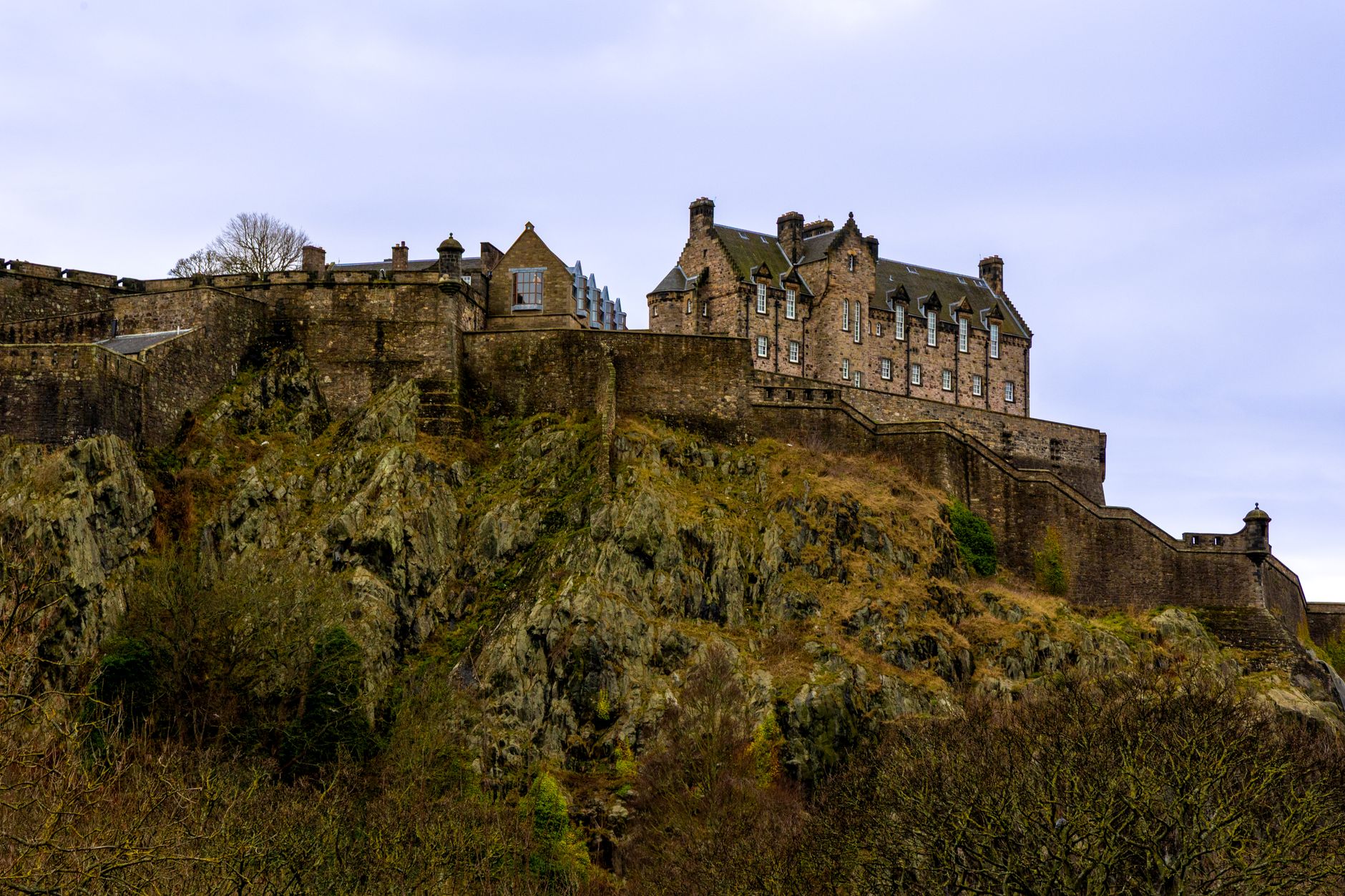
No, Edinburgh Castle requires an entry ticket (around £18-20). However, you can explore the castle grounds and enjoy free views from the outside. Alternative free activities include climbing Arthur’s Seat volcano, walking along the Water of Leith, visiting St Giles’ Cathedral, and exploring the cobbled streets of the Old Town without admission charges.
How do Australian travellers get from Edinburgh Airport to the city centre cheaply?
The Airlink bus (100/200) costs £5.50 return and takes 30 minutes to the city centre, making it the cheapest option. Trams cost around £6 one-way. Avoid taxis (£20-30) unless sharing. Walking is free but takes 45-60 minutes with luggage. Pre-booking Airlink tickets online sometimes offers discounts for budget-conscious travellers.