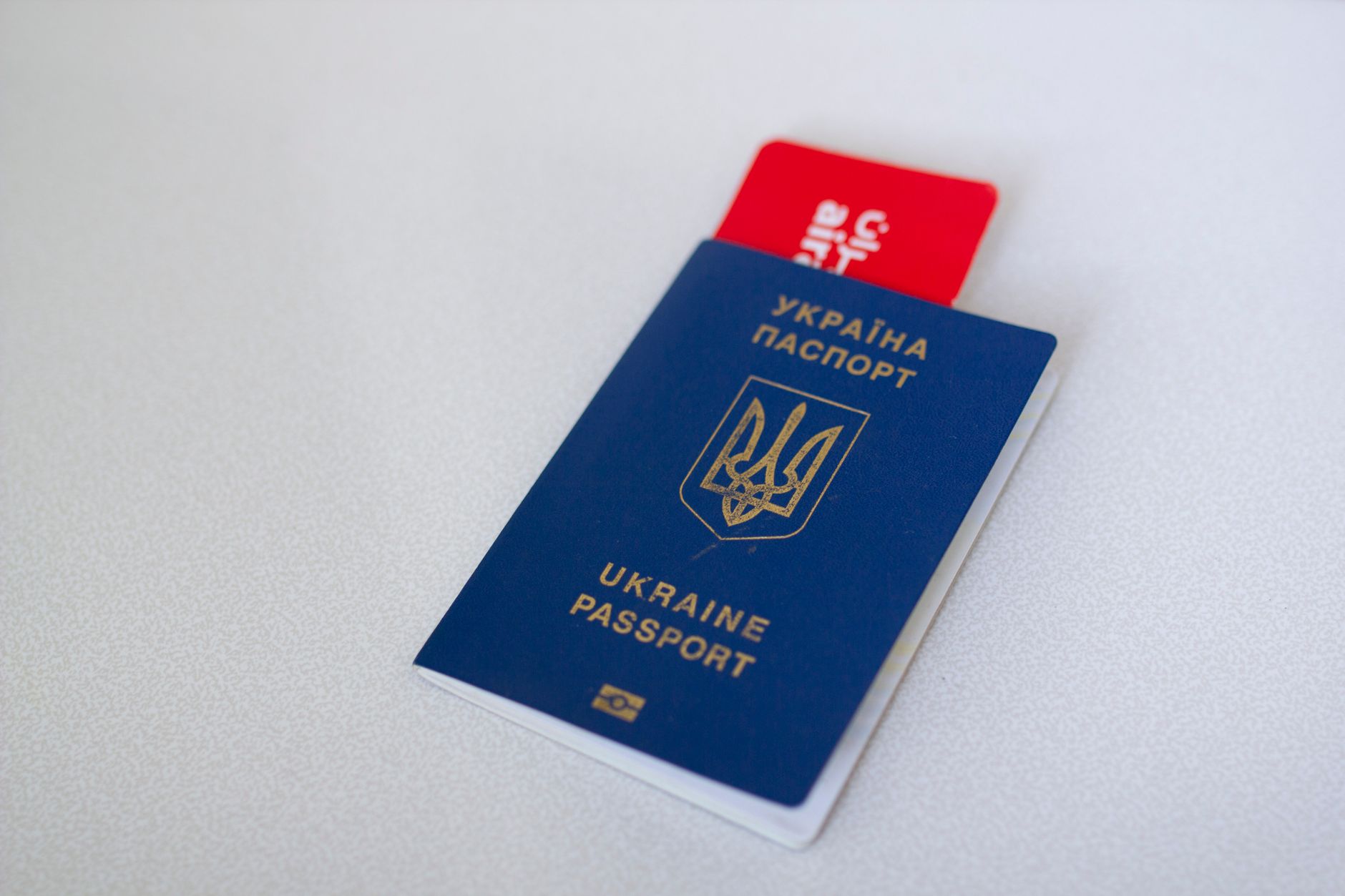
Is ETIAS Delayed Until 2027? September 2026 Update
“`html
Updated 13 September 2026
✈️ Search Cheap Flights on Aviasales →
🎒 Search Tours & Stays on Klook →
⚡ Quick Stats — ETIAS & Europe Travel (September 2026)
- ETIAS fee: €7 (~USD $7.70 / AUD $12.10) per adult applicant, ages 18–70 | Free under 18 and over 70
- Current status: NOT yet required — no confirmed launch date as of 13 September 2026
- Cheapest NYC→Europe flight: from USD $420 return (off-peak, budget carriers)
- Average daily budget: USD $75–$100 (hostel + street food + transport)
- Best travel month: November (cheapest flights, thin crowds)
- EUR/USD rate (Sep 2026): approx. 1 EUR = USD $1.10
Is ETIAS delayed until 2027? Almost certainly yes. The European Union quietly removed its previously published Q4 2026 go-live date from the eu-LISA official website in July 2026, with no replacement date announced. As of today — Sunday, 13 September 2026 — US passport holders do not need ETIAS to enter the Schengen Area, and that will not change without a minimum 6-week public notice period. For Australian travellers, the situation is identical — ETIAS will eventually apply to all visa-exempt nationalities once launched, but there’s no rush to worry about it just yet.
What Actually Happened to the ETIAS Launch Date?
The original ETIAS rollout was planned for late 2022, then pushed to 2023, 2024, and most recently to Q4 2026. That Q4 2026 target has now been silently dropped. The eu-LISA (EU Agency for the Operational Management of Large-Scale IT Systems) board is holding a key review meeting this month — September 2026 — to assess technical readiness across all 27 Schengen member states. This delay has already had significant ripple effects across travel planning, visa consultancy services, and border management agencies.
The core problem is the Entry/Exit System (EES), which must go live before ETIAS can launch. EES has been delayed six times since 2022. Without EES recording entries and exits at borders, ETIAS has nothing to cross-reference. Both systems are interdependent. EU member states have struggled with:
- Technical integration challenges: Coordinating biometric scanning equipment (fingerprints, facial recognition) across 27 different countries with varying IT infrastructure
- Border infrastructure upgrades: Physical installation of new kiosks and scanning equipment at airports, ports, and land borders — estimated to cost billions of euros
- Staff training requirements: Border guards at all entry points must be trained on new systems, requiring lengthy onboarding across multiple languages
- Data privacy concerns: Ensuring compliance with GDPR whilst collecting and storing biometric data from millions of travellers
- Smaller member states struggling most: Countries like Malta, Cyprus, and some Central European nations have reported the most significant technical delays
Until the eu-LISA board publishes its September 2026 findings — expected within 4–6 weeks of the meeting — no launch date is confirmed. Most EU insiders now cite Q2 or Q3 2027 as the realistic earliest window, though even that is not guaranteed. The EU Commission has learned not to make public commitments after repeatedly missing deadlines, so official communications have become extremely cautious.
For travellers from Australia, the UK, Canada, the US, and other visa-exempt nations, this means you can continue to enter the Schengen Area under the current 90-in-180-days visa-free regime indefinitely. There’s absolutely no need to rush any trips or apply for alternative visas.
ETIAS vs Schengen Visa — Key Differences
| Factor | ETIAS (Coming) | Schengen Visa (Current requirement for non-exempt nationals) |
|---|---|---|
| Who needs it | Visa-exempt nationals (US, UK, Canada, Australia, etc.) — eventually | Non-exempt nationals (e.g., India, China, many African nations) |
| Cost | €7 (~USD $7.70 / AUD $12.10), free under 18 / over 70 | €80 (~USD $88 / AUD $135) standard adult fee |
| Processing time | Expected: minutes to 96 hours (3 working days) | 15–45 calendar days typical (can extend to 60) |
| Validity | 3 years or until passport expires (whichever is sooner) | Single or multiple entry, up to 90 days |
| Application method | Online only, from home or anywhere with internet | In-person at consulate or visa application centre |
| Required today for US/Australian travellers? | No | No (both are visa-exempt) |
| Denial rate (estimated) | Very low (under 1% expected) | Varies by nationality, 5–15% typical range |
The key advantage of ETIAS over traditional Schengen visas is convenience — you’ll be able to apply from your kitchen in Brisbane or Sydney without visiting an embassy. The disadvantage is that it removes the current visa-free advantage entirely. Once ETIAS launches, every single trip to Europe will require an advance online application and fee, whereas today you can simply show up at the airport with a valid passport.
The most common ETIAS denial scenario will involve security flags — criminal convictions, overstays in previous Schengen visits, or immigration fraud. The system is designed to reject applicants presenting genuine security risks, but the denial rate is expected to be extremely low for legitimate leisure and business travellers with clean records.
Europe vs Other Destinations — Cost Comparison
Flights from New York to Europe currently start from USD $420 return to Lisbon or Warsaw on off-peak dates. For Australian travellers, expect to pay AUD $1,200–$1,800 return depending on season and airline choice. Here’s how Schengen countries stack up against comparable international destinations for budget travellers.
| Destination | Daily Budget (USD) | Daily Budget (AUD) | Flight from NYC (USD return) | Overall Value |
|---|---|---|---|---|
| Portugal (Lisbon) | $65–$85 | $105–$135 | From $420 | ⭐⭐⭐⭐⭐ Best in Schengen |
| Poland (Warsaw/Kraków) | $50–$70 | $80–$110 | From $480 | ⭐⭐⭐⭐⭐ Cheapest Schengen |
| Greece (Athens) | $70–$95 | $110–$150 | From $520 | ⭐⭐⭐⭐ Strong value |
| France (Paris) | $130–$180 | $210–$290 | From $440 | ⭐⭐⭐ Mid-range, iconic |
| Italy (Rome/Venice) | $110–$150 | $175–$240 | From $460 | ⭐⭐⭐⭐ Worth splurging |
| Thailand (Bangkok) | $40–$60 | $65–$95 | From $680 | ⭐⭐⭐⭐ Cheapest daily cost |
| Mexico (Mexico City) | $45–$65 | $70–$105 | From $280 | ⭐⭐⭐⭐⭐ Cheapest overall |
The real question for Australian travellers is value for money. Flights to Europe are substantially more expensive than Asian alternatives, but Schengen countries offer incomparable cultural diversity — you can visit 27 countries with a single trip and still stay within the same Schengen Area. A two-week European trip might cost AUD $3,500–$5,500 all-in from Australia, versus AUD $2,500–$3,500 for Southeast Asia.
What USD Budget Gets You in the Schengen Area
Costs vary sharply across the 27 member states. Here’s what your daily budget actually buys in each tier of Schengen destinations, based on September 2026 pricing:
Budget Tier (USD $40–$60 / AUD $65–$95 daily): This covers Poland, Czech Republic, Hungary, Slovakia, and Romania. At this level, you’re staying in clean hostel dorms (USD $12–$18 per night), eating street food and local restaurant meals (USD $4–$8 per meal), and relying on public transport (day passes USD $1–$3). You’ll have money for one modest attraction per day — museum entry runs USD $5–$10. This tier is realistic for backpackers with minimal comfort requirements.
Mid-Tier (USD $75–$110 / AUD $120–$175 daily): This covers Portugal, Greece, Croatia, Slovenia, and the Baltic states. Budget increases to USD $20–$28 per night for a private hostel room or basic Airbnb, meals are USD $7–$15 each, and you can comfortably visit 2–3 paid attractions daily. Wine, local beers, and occasional nicer meals become feasible. This is the sweet spot for most leisure travellers.
Premium Tier (USD $150+ / AUD $240+ daily): This covers France, Germany, Italy, Austria, and the Netherlands. Hotels start at USD $60–$100 per night, restaurant meals are USD $15–$40, and attractions cost USD $12–$25 each. You can eat well, stay comfortably, and experience luxury without extreme frugality. A week in Rome or Florence at this budget feels luxurious.
Practical money-saving tips for Schengen travel:
- Accommodation hacks: Book hostel dorms in smaller cities (Kraków, Lisbon, Athens) instead of major capitals — you’ll save 40–60% versus Paris or Amsterdam. Booking.com consistently shows dorms at USD $10–$15 versus USD $25–$35 in Western Europe.
- Transport passes: Most Schengen cities offer 24–72 hour unlimited transport passes (USD $5–$15). Buy these immediately upon arrival rather than single tickets. Vienna’s 72-hour pass at €17 (~USD $18.70) is exceptional value.
- Free walking tours: Nearly every Schengen city offers tip-based free walking tours. Budget USD $5–$15 per person and you’ll get excellent orientation plus local insights. These are genuinely free if you’re absolutely broke.
- Grocery shopping: Supermarkets in Eastern Europe (Tesco in Poland, Carrefour in France) stock meals for USD $2–$4. Budget-conscious travellers can eat better and cheaper than restaurant meals.
- Flight timing: Book transatlantic flights for Tuesday–Thursday departures; prices typically drop USD $80–$150 versus weekend flights. November and early January offer the absolute cheapest fares (often USD $300–$500 return).
- Rail passes: Eurail passes are not cheaper than individual tickets for short trips (under 10 days). Only worth it if you’re doing a 2–3 week multi-country rail adventure.
What USD Budget Gets You in the Schengen Area (Extended Details)
Dining and Food Costs by City (USD per meal, September 2026):
- Warsaw, Kraków: Street food USD $1.50–$3, local restaurants USD $4–$8, mid-range
“`htmlDo Australian citizens need a visa for the Schengen Area?
Yes, Australian citizens need a Schengen visa to enter the Schengen Area. Australia is not part of the visa-free list for Schengen countries. You’ll need to apply for a short-stay visa (up to 90 days) at the embassy or consulate of the country you’re visiting first, or where you’ll spend the most time. Processing typically takes 15 days but can take up to 60 days, so apply well in advance.
What is the cheapest time to visit the Schengen Area as a budget traveler?
The cheapest time to visit is during the off-season (November to March, excluding Christmas/New Year). Accommodation, flights, and tours are significantly cheaper during winter months. Eastern European Schengen countries like Poland, Czech Republic, and Hungary offer exceptional value year-round compared to Western Europe, with lower prices for accommodation, food, and attractions.
Can you travel between Schengen countries without a passport?
No, you must always carry your passport when traveling between Schengen countries, as Australian citizens require a visa to be in the area. There are no internal border checks between Schengen countries, but you may be asked to show your travel documents at any time. Your visa allows you to travel freely within the Schengen Area for the duration it’s valid (usually 90 days).
How much does a Schengen visa cost for Australian travelers?
A Schengen short-stay visa for Australia typically costs €80 (approximately AUD $130-140). Children aged 6-12 pay €40, while children under 6 are exempt. Visa fees vary slightly between countries and are usually non-refundable even if your application is rejected. Some budget travel services offer visa assistance for an additional fee, but applying directly is cheaper.
“`