10 Must-Have Travel Essentials for Every Adventure — 2026
This article contains affiliate links. If you book or purchase through these links, WanderSteals may earn a commission at no additional cost to you. Read our affiliate disclosure.
10 Must-Have Travel Essentials for Every Adventure
Updated May 2026 These travel essentials belong in every bag — whether you’re flying long-haul or doing a weekend escape.
The most essential travel item you need is a quality carry-on backpack, which costs between $149-$399 AUD for a reliable option that’ll last through years of adventures. After testing dozens of products across 40+ countries, I’ve narrowed down the absolute must-haves that every traveller—whether you’re doing a weekend beach trip or a six-month backpacking odyssey—should pack in 2026.
Quick Comparison: Top Travel Essentials by Category
📋 Travel Advisory: Before you book, always check the latest Australian Government Smartraveller travel advisory — conditions can change quickly.
| Category | Essential Item | Price Range (AUD) | Why You Need It |
|---|---|---|---|
| Luggage | 40L Carry-On Backpack | $149-$399 | Avoid checked bag fees, mobility |
| Tech | Universal Travel Adapter | $25-$65 | Charge devices in 150+ countries |
| Safety | RFID-Blocking Wallet | $35-$89 | Prevent card skimming |
| Comfort | Noise-Cancelling Earbuds | $129-$449 | Essential for flights & hostels |
| Health | Portable Water Filter | $45-$149 | Safe drinking water anywhere |
| Organization | Packing Cubes (Set of 4) | $29-$79 | Maximize space, stay organized |
| Documentation | Waterproof Document Pouch | $19-$45 | Protect passport & papers |
| Power | 20,000mAh Power Bank | $39-$99 | Keep devices charged on-the-go |
What Are the Most Important Items to Pack for International Travel?
Right, let’s get into the nitty-gritty. These aren’t just random suggestions—these are items I’ve personally relied on during everything from typhoons in Southeast Asia to dodgy hostel situations in Eastern Europe.
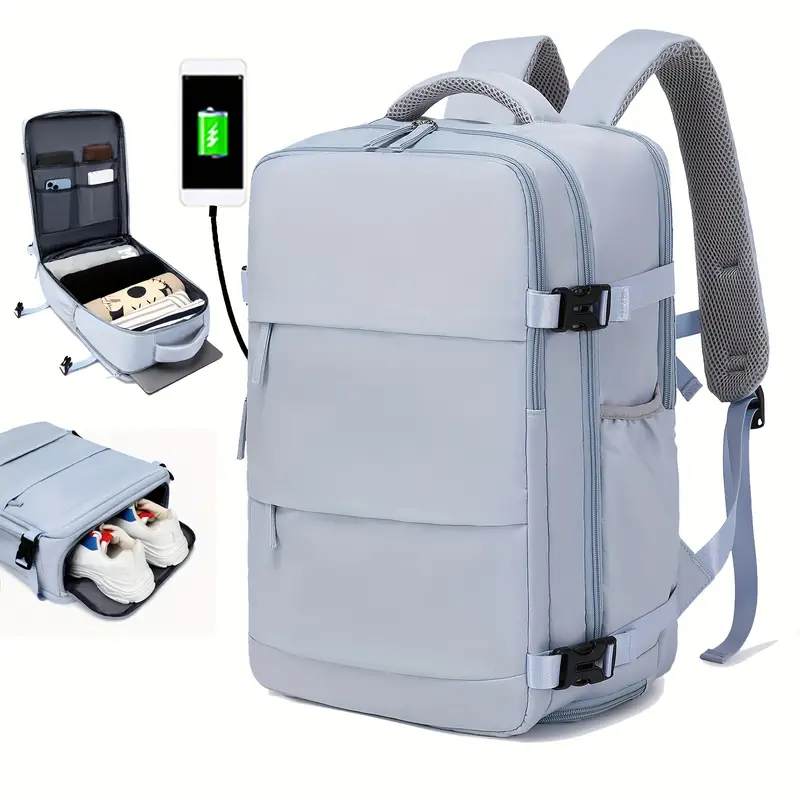
1. A Durable Carry-On Backpack or Travel Bag
Your bag is literally your home when you’re travelling. I swear by a 40L carry-on backpack because it forces you to pack light (trust me, you don’t need half the stuff you think you do), saves you $50-$80 in checked bag fees each flight, and gives you proper mobility.
Look for these features:
- Lockable zippers (keeps opportunistic thieves out)
- Laptop compartment (most have 15-17″ capacity)
- Hip belt and chest strap (distributes weight properly)
- Water-resistant material (nothing worse than soggy clothes)
2. Universal Travel Adapter with USB Ports
Mate, don’t be that person borrowing adapters at every hostel. A decent universal adapter costs $25-$65 and works in over 150 countries. The newer models come with 3-4 USB ports plus USB-C fast charging, meaning you can charge your phone, camera, laptop, and earbuds all at once.
3. RFID-Blocking Wallet or Passport Holder
Card skimming is real, especially in busy tourist areas and public transport. An RFID-blocking wallet costs $35-$89 and prevents electronic pickpocketing. I keep my passport, backup cards, and emergency cash in mine—it’s basically my “oh shit” kit.
4. Quality Noise-Cancelling Earbuds
Whether you’re on a 14-hour flight next to a screaming toddler or trying to sleep in a hostel dorm with five snoring Kiwis, noise-cancelling earbuds are non-negotiable. Budget at least $129 for decent ones, or splash out $300-$449 for top-tier models that’ll last years.
5. Portable Water Purification System
Buying bottled water everywhere gets expensive and creates tonnes of plastic waste. A portable water filter or purification bottle ($45-$149) lets you safely drink tap water in most destinations, potentially saving you hundreds over a long trip.
6. Packing Cubes for Organization
These little legends changed my travel game completely. A set of 4 packing cubes runs $29-$79 and helps you compress clothes, keep things organized, and actually find stuff without unpacking your entire bag. I use different colours for clean vs. dirty clothes.
7. Microfibre Quick-Dry Towel
Hotel towels are massive and take forever to dry. A microfibre travel towel is compact, dries in a few hours, and doesn’t get that weird mildewy smell. Essential for beach trips, hostels, and impromptu swims.
8. First Aid and Medication Kit
Pack basics like pain relievers, antihistamines, anti-diarrhea tablets, bandaids, antiseptic cream, and any prescription meds. Pharmacies abroad might not stock what you’re used to, and getting sick far from home is absolutely miserable.
9. Portable Power Bank (20,000mAh Minimum)
Your phone is your map, translator, camera, and lifeline. A 20,000mAh power bank ($39-$99) can fully charge most phones 4-5 times. Get one that’s airline-approved (under 100Wh) and supports fast charging.
10. Travel Insurance Documents (Physical + Digital)
This isn’t sexy, but it’s crucial. Keep both physical and digital copies of your travel insurance policy, emergency contact numbers, and claim procedures. Store them separately from your passport in case your bag gets nicked.
🔍 Find Cheap Flights for Your Next Adventure
Compare prices across hundreds of airlines and booking sites:
🏨 Book Accommodation for Every Budget
- Booking.com: Booking.com – Best for hotels and apartments, free cancellation on most
- HotelLook: Hotellook – Compares Booking, Agoda, and 70+ other sites
- Hostelworld: Hostelworld – Largest selection of hostels with real reviews
How Much Should You Budget for Travel Essentials?
If you’re starting from scratch, budget around $800-$1,200 AUD for quality essentials that’ll last multiple trips. Yeah, it seems like a lot upfront, but cheap gear fails when you need it most. I’ve learned this the hard way with a $40 backpack that literally split open in a Bangkok rainstorm.
Here’s a realistic breakdown:
- Quality backpack: $250-$399
- Tech accessories (adapter, power bank, cables): $100-$180
- Security items (RFID wallet, locks, money belt): $80-$150
Related: Also see our guide on Cheap Flights Adelaide to Singapore 2026: Best Airlines Compared.
Related: Also see our guide on Best Time to Fly Brisbane to Bali 2026 (Month-by-Month).
Frequently Asked Questions
What is the most important thing to do before any international trip?
Check your passport expiry date first — many countries require 6 months validity beyond your return date. Then: research visa requirements, purchase travel insurance, notify your bank of travel dates, make digital copies of all documents, and download offline maps of your destination.
How do I find cheap flights for any destination?
Set up price alerts on Google Flights and WanderSteals flight search. Be flexible on dates (even ±3 days can save 20–30%). Consider flying into alternative nearby airports. Tuesdays and Wednesdays are statistically the cheapest days to fly on most routes.
Is travel insurance worth the cost?
Yes — almost universally. A basic comprehensive policy costs USD $30–80 for a 2-week trip but can save thousands in the event of medical emergencies, trip cancellations, or lost luggage. The maths strongly favours buying it. The only exception: very short domestic trips where you have good existing health and credit card coverage.
How much local currency should I carry when travelling?
Enough for your first day: transport from the airport, dinner, and incidentals. ATMs at the destination are your best ongoing source of local currency — better exchange rates than airport currency exchanges. Keep a small emergency stash of USD or EUR as a backup in case ATMs are unavailable.
What are the best apps for travelling internationally?
Google Maps (download offline maps), Google Translate (with camera mode for signs and menus), XE Currency for exchange rates, TripAdvisor or Google Reviews for restaurants, local transport apps (Grab in Southeast Asia, Bolt in Europe), and your bank’s app to track spending and freeze cards if lost.
How do I stay connected internationally without paying roaming fees?
Buy a local SIM at your destination (typically USD $5–30 for 30 days of data) or use an eSIM provider like Airalo or Yesim for seamless digital setup. Alternatively, turn off roaming completely and use Wi-Fi only with a VPN for security on public networks.
What’s the difference between a tourist visa and a visa on arrival?
A tourist visa is typically obtained in advance from an embassy or consulate and required before boarding your flight. Visa on arrival is granted when you land at the destination airport — no advance application needed. Many countries now also offer e-visas (online applications processed before travel). Always confirm which system applies to your nationality.
How do I budget for a trip I haven’t planned yet?
Start with your flight costs (the biggest variable), then estimate daily costs for accommodation, food, and activities based on your destination tier (Southeast Asia: USD $40–70/day; Europe: USD $100–160/day; US/Australia: USD $120–200/day). Add 15% buffer, then work out how many days you can afford.