Thailand Visa Free Stay Cut to 30 Days 2026: What to Do Now
Updated September 2026
✈️ Search Cheap Flights on Aviasales →
🎒 Search Tours & Stays on Klook →
⚡ Quick Answer: Thailand Visa-Free Stay After 15 September 2026
- Visa required? No visa required for ~60 nationalities — but the free stay drops from 60 days to 30 days on 15 September 2026
- Cost: USD $0 (visa exemption) | USD $35 Thailand eVisa for 60-day Tourist Visa
- Processing time: eVisa — 3–5 business days online
- Validity: 30 days visa-free (post-Sept 15) | 60 days on eVisa
- Extension possible? Yes — 30-day extension at immigration, USD $60 fee
⚠️ Disclaimer: Visa rules change frequently. Always verify at the official Thai Embassy website before travelling. This guide reflects rules as of September 2026.
As of 15 September 2026, most passport holders who previously enjoyed 60 days visa-free in Thailand now get only 30 days on arrival. If you enter Thailand on or after 15 September 2026 without a pre-approved visa, your stamp will read 30 days — not 60. The single most important action you can take right now is apply for a Thailand eVisa before you fly, which restores your full 60-day allowance for USD $35.
Before vs. After: What Changed on 15 September 2026
Thailand’s cabinet approved the rollback in August 2026, cutting the visa exemption period that had been temporarily extended to 60 days since late 2023. The 30-day limit now applies at both air and land borders. A second visa-exempt entry (“back-to-back” border run) is still technically permitted but limited to twice per calendar year via land crossings.
| Rule | Before 15 Sept 2026 | After 15 Sept 2026 |
|---|---|---|
| Visa-free stay (air entry) | 60 days | 30 days |
| Visa-free stay (land entry) | 60 days | 30 days |
| Land border re-entries per year | Unlimited | 2 per calendar year |
| Extension at immigration office | 30 days (USD $60) | 30 days (USD $60) |
| eVisa Tourist (TR) duration | 60 days | 60 days (unchanged) |
| eVisa cost | USD $35 | USD $35 (unchanged) |
| Back-to-back border runs allowed | Yes, frequently | Max 2 land entries/year |
Visa Requirements Summary Table
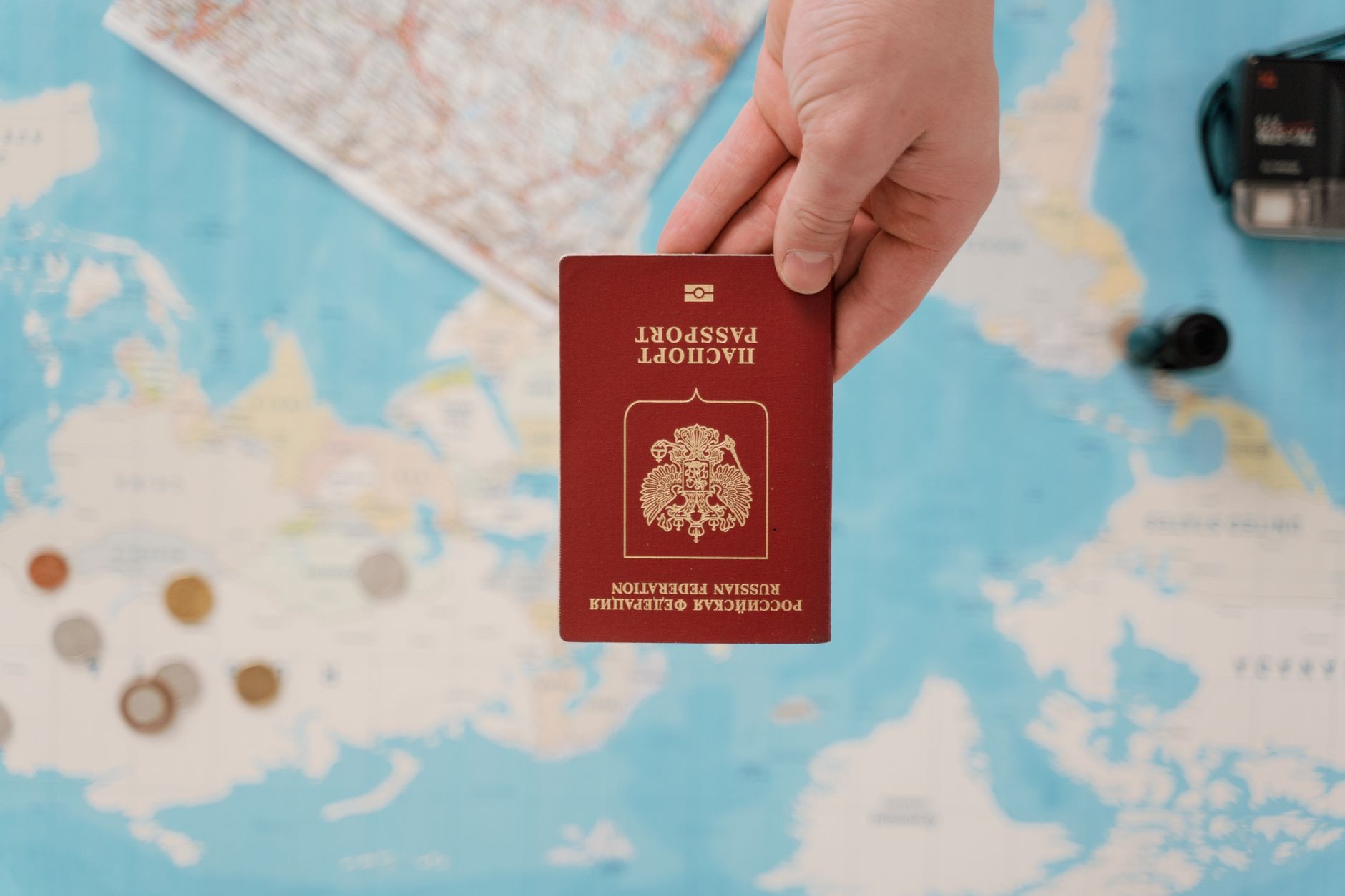
The following applies to US, UK, EU, Canadian, Australian, and most other visa-exempt passport holders travelling to Bangkok. Check the nationality-specific table further below for exceptions.
| Requirement | Details |
|---|---|
| Visa type | Visa Exemption (no stamp/sticker needed) OR Thailand eVisa — Tourist Visa (TR) |
| Cost | USD $0 (exemption) | USD $35 (eVisa TR-60) |
| Where to apply | eVisa: thaievisa.go.th (official portal); no agency needed |
| Processing time | 3–5 business days (apply at least 2 weeks before travel) |
| Validity (eVisa) | 60 days from first entry; must enter within 90 days of issue |
| Passport validity required | Minimum 6 months beyond entry date |
| Entry limit | Single entry (eVisa TR) | Visa exemption: max 2 land entries/year (air unlimited) |
| Extension possible? | Yes — 30-day extension at any Thai Immigration office, USD $60 fee |
Which Nationalities Are Affected? Full Country List
Approximately 57 nationalities enjoy visa-free entry to Thailand. All of them are affected by the 30-day cut unless they hold a pre-approved eVisa. Below are the major affected and unaffected groups — verify your specific passport at the Thai e-Visa portal.
| Passport / Group | Visa-Free Days (Post-15 Sept 2026) | eVisa Option? | Notes |
|---|---|---|---|
| USA, UK, Canada, Australia, NZ | 30 days | Yes — 60 days for USD $35 | Affected by cut |
| EU (Schengen states) | 30 days | Yes — 60 days for USD $35 | Affected by cut |
| Japan, South Korea | 30 days | Yes | Affected by cut |
| India | 30 days (visa-on-arrival USD $35) | Yes | Visa-on-arrival unchanged at 30 days |
| China | 30 days (bilateral agreement) | Yes | Separate bilateral deal; confirm at embassy |
| ASEAN nationals (e.g. Malaysia, Singapore) | 30–90 days (varies by country) | Varies | Some ASEAN passports retain longer allowances |
| Russia, Ukraine | 30 days | Yes | Affected by cut |
| Passports requiring Thai visa | 0 (must apply before travel) | eVisa required | Apply via thaievisa.go.th |
Step-by-Step: How to Apply for a Thailand eVisa
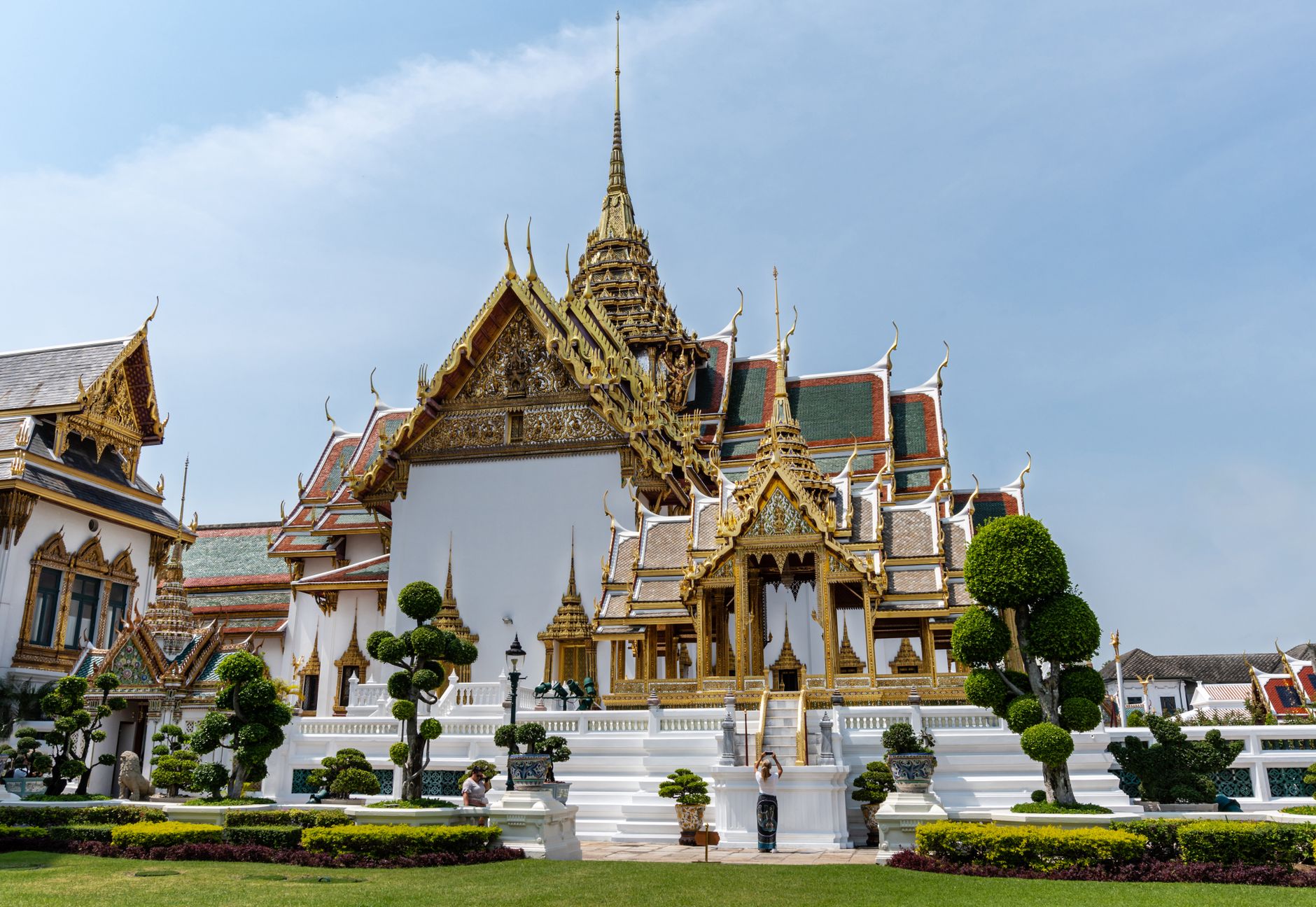
If you want 60 days in Thailand after 15 September 2026, the eVisa is your cleanest option at USD $35. Processing takes 3–5 business days, so apply at least two weeks before your flight. Here’s exactly how to do it.
- Go to the official portal: Visit thaievisa.go.th. Do not use third-party agencies — they charge USD $50–$120 for the same service.
- Create an account: Register with your email address. Use the same email for all correspondence — approval arrives here.
- Select visa type: Choose “Tourist Visa (TR)” for a 60-day single-entry stay. Select “Tourist Visa Multiple Entry (METV)” if you plan to leave and re-enter — this costs USD $175 and covers 6 months.
- Upload documents: Passport bio page (JPEG/PDF, under 2MB), passport photo (white background, 35×45mm), proof of onward travel, and bank statement showing at least USD $700 equivalent.
- Pay the fee: USD $35 by Visa or Mastercard. Payment is non-refundable even if denied.
- Track your application: Log in to the portal to check status. Average approval time is 3 business days. You receive a PDF approval letter by email.
- Print or save your eVisa: Present the PDF at check-in and again at Bangkok Suvarnabhumi (BKK) or Don Mueang (DMK) immigration. Officers scan the QR code.
Visa on Arrival: Is It Still Available?
Thailand’s Visa on Arrival (VOA) is available at 18 international airports and 5 major land borders for 19 eligible nationalities — primarily India, China (when bilateral agreement lapses), and select others. The VOA grants 30 days and costs USD $35, payable in cash (Thai Baht accepted). Queue times at Suvarnabhumi VOA counter average 45–90 minutes during peak season (November–January); budget accordingly.
If your nationality qualifies for visa exemption, you do not need the VOA lane — you go to the standard immigration queue. If you want 60 days, skip the VOA lane entirely and get the eVisa online before flying.
Document Checklist
Pack every item below before leaving for the airport. Missing even one can result in boarding denial or entry refusal at Bangkok immigration.
- ✅ Passport valid for at least 6 months beyond your entry date
- ✅ Return or onward ticket (immigration regularly asks for this)
- ✅ Proof of accommodation for at least the first night (hotel booking confirmation)
- ✅ eVisa approval PDF (printed or saved to phone — have a backup offline copy)
- ✅ Bank statement or proof of funds: minimum USD $700 equivalent or THB 20,000 cash
- ✅ Completed TM.6 arrival card (handed out on the plane or available at the airport)
- ✅ Passport photo (35×45mm, white background) — needed for VOA applicants only
- ✅ Travel insurance documentation (required for eVisa applicants; strongly recommended for all)
- ✅ Completed Thailand Pass health declaration (if reinstated — check current status before flying)
Common Mistakes Travellers Make
Mistake 1: Assuming the 60-Day Rule Still Applies After September 15
Travellers who booked flights in early 2026 based on the 60-day exemption are being caught out at immigration. If your ticket is dated after 15 September 2026 and you haven’t applied for an eVisa, you will receive a 30-day stamp — no exceptions, no appeals at the desk.
Mistake 2: Using a Third-Party Visa Agency for the eVisa
Agencies charge USD $50–$120 to submit the same form you can submit yourself in 20 minutes at thaievisa.go.th for USD $35. Save the USD $85 for pad thai and a river taxi.
Mistake 3: Planning a Land Border Run to Reset the Clock
This worked until 15 September 2026. Now, land border re-entries are capped at 2 per calendar year. A third land-border re-entry will be refused. Air exit and re-entry remains unrestricted (but you still only get 30 days each time).
Mistake 4: Passport Validity Under 6 Months
Thai immigration strictly enforces the 6-month passport validity rule. A passport expiring within 6 months of your entry date means denied boarding or denied entry, even with a valid eVisa. Renew before you fly.
Mistake 5: No Proof of Onward Travel
Immigration officers at Suvarnabhumi ask for an onward or return ticket in roughly 1 in 5 visa-exempt entries. A screenshot of your booking is fine. If you have a one-way ticket and no booking, you risk a secondary interview that delays you 30–90 minutes.
Entry & Exit Tips: What to Expect at Bangkok Immigration
Suvarnabhumi Airport (BKK) handles roughly 65 million passengers per year. During peak season (December–January), immigration queues for visa-exempt travellers can reach 60–90 minutes. Arriving on Tuesday–Thursday mornings typically means 15–25 minute queues.
Officers will ask: “Where are you staying?” and “How long are you visiting?” Have your hotel name ready. If you have an eVisa, the officer scans the QR code and typically takes under 2 minutes to process. On exit, clear immigration at least 90 minutes before departure — the departure hall at BKK requires re-clearing security after check-in.
Don Mueang (DMK), Bangkok’s budget airport, serves AirAsia, Nok Air, and Lion Air routes. Immigration queues here are typically 50% shorter than Suvarnabhumi, with average wait times of 15–30 minutes even in peak season.
Extending Your Stay: 30 More Days for USD $60
If you entered on a 30-day visa exemption and want to stay longer, you can extend once at any Thai Immigration office for 30 additional days. The fee is THB 1,900 (approximately USD $54–$60 depending on exchange rate). You must apply before your current permission expires — do not overstay even by one day, as the fine is THB 500 (USD $14) per day and can result in a blacklist entry.
The most convenient Bangkok immigration office is at Chaeng Watthana Government Complex, about 30 km north of the city centre. Arrive before 8:30 AM to join the queue before the 8:30 AM opening; peak wait times are 2–4 hours. Bring your passport, a completed TM.7 form, one passport photo, and the THB 1,900 fee in cash.
Alternatively, if you know before you fly that you want 60+ days, the eVisa (USD $35) is cheaper and faster than paying for an extension (USD $60) after arrival. The eVisa also grants a cleaner immigration record.
Book Your Trip to Bangkok from New York
Return flights from New York (JFK or EWR) to Bangkok (BKK) currently range from USD $420 to USD $750, with the best fares on Korean Air (via Seoul), Cathay Pacific (via Hong Kong), and Turkish Airlines (via Istanbul). Booking 6–10 weeks out typically hits the lower end of that range.
Search NYC → Bangkok Flights from $420 →
For multi-city itineraries — for example, flying into Bangkok and out of Chiang Mai — use Kiwi’s flexible search to save USD $60–$120 versus booking two separate one-ways.
Search Multi-City Thailand Routes on Kiwi →
Get travel insurance before you depart — it’s required for the eVisa application and covers medical costs that average USD $4,000–$8,000 for hospitalisation in Bangkok private hospitals.
Get Thailand Travel Insurance from $1.80/day →
Stay connected from the moment you land. A Thailand eSIM from Yesim gives you 4G/5G data from USD $4.90 for 7 days — activate before your flight and avoid the AIS/DTAC airport SIM queues.
Get Your Thailand eSIM — Activate Before You Fly →
Book airport transfers in advance to avoid taxi touts at Suvarnabhumi. A fixed-price private transfer from BKK to central Bangkok costs USD $18–$25 and takes 35–50 minutes depending on traffic.
Book BKK Airport Transfer — Fixed Price →
For Bangkok day tours and experiences — Floating Market, Grand Palace, Muay Thai — Klook typically offers the lowest prices for Asia-Pacific bookings with free cancellation up to 24 hours before.
Browse Bangkok Experiences on Klook →
Don’t Forget: Complete Your Trip
Before you book, lock in these essentials through our trusted partners:
- ✈️ Flights:
Aviasales ·
Kiwi.com - 🏨 Accommodation & tours:
Klook ·
Tiqets - 🚗 Car hire & transfers:
QEEQ ·
Localrent ·
KiwiTaxi - 🛡️ Travel insurance:
EKTA Travel Insurance (25% off) - ✅ Flight issues?
Compensair ·
AirHelp — claim up to €600 (no-win no-fee)
Frequently Asked Questions
How long can I stay in Thailand without a visa after September 15, 2026?
After 15 September 2026, most visa-exempt passport holders — including US, UK, EU, Canadian, and Australian citizens — receive 30 days on arrival instead of the previous 60 days. To get 60 days, you must apply for a Thailand Tourist eVisa (TR) at thaievisa.go.th before your trip, which costs USD $35 and takes 3–5 business days to process. You can extend once at a Thai Immigration office for an additional 30 days at a cost of approximately USD $60.
Does the 30-day cut apply to land border crossings as well as flights?
Yes. The 30-day visa exemption limit applies at all Thai entry points — air, land, and sea — from 15 September 2026. Additionally, land border re-entries on a visa exemption are now capped at 2 per calendar year. A third land-border re-entry will be denied. Air exits and re-entries remain unlimited, but each new air entry still grants only 30 days visa-free.
How much does a Thailand eVisa cost and how long does it take?
A Thailand Tourist eVisa (TR) costs USD $35 for a single-entry 60-day visa, payable by Visa or Mastercard on the official thaievisa.go.th portal. Processing takes 3–5 business days. A Multiple Entry Tourist Visa (METV) costs USD $175 and allows multiple entries over 6 months with each stay up to 60 days. Apply at least 2 weeks before your departure date to allow buffer time for any document issues.
Can I still do a border run to reset my 30-day visa-free stamp?
Air border runs (flying out and back into Thailand) remain technically unlimited but expensive — a same-day flight to Kuala Lumpur or Singapore costs USD $80–$200 return. Land border runs are now capped at 2 per calendar year under the new rules effective 15 September 2026; a third land-border re-entry on a visa exemption will be refused. The eVisa (USD $35 for 60 days) or immigration extension (USD $60 for 30 more days) are far cheaper alternatives to any border run strategy.
How do I extend my stay in Bangkok after 30 days?
Visit any Thai Immigration office before your 30-day stamp expires. The most accessible Bangkok location is Chaeng Watthana Government Complex, approximately 30 km north of the city centre. You need your passport, one passport photo, a completed TM.7 form, and THB 1,900 (approximately USD $54–$60) in cash. The extension grants 30 additional days and is approved the same day. Arrive before 8:30 AM to minimise wait times, which can reach 2–4 hours at peak periods.
What happens if I overstay my Thai visa?
Overstaying in Thailand incurs a fine of THB 500 (approximately USD $14) per day, payable at the airport upon departure. Overstays of more than 90 days result in a 1-year entry ban; over 1 year results in a 3-year ban; over 3 years results in a 10-year ban. You will not be arrested for short overstays if you self-report at departure, but the fine must be paid before you can board. Do not overstay intentionally — it is not worth the risk to your future travel record.
How much are flights from New York to Bangkok right now?
Return flights from New York (JFK or EWR) to Bangkok Suvarnabhumi (BKK) are currently available from USD $420, with prices ranging up to USD $750 depending on airline and booking lead time. The best fares come from Korean Air (via Seoul, ~19–21 hours total), Cathay Pacific (via Hong Kong, ~20–22 hours), and Turkish Airlines (via Istanbul, ~22–24 hours). Booking 6–10 weeks in advance and flying Tuesday–Thursday typically secures the lowest fares. Search and compare at Aviasales.
Is travel insurance required for the Thailand eVisa?
Yes — the Thailand eVisa application requires proof of travel insurance with a minimum coverage of THB 40,000 (approximately USD $1,100) for medical expenses. In practice, Thai immigration recommends a minimum USD $10,000 medical cover. Private hospital costs in Bangkok average USD $4,000–$8,000 for a hospitalisation episode, making adequate insurance essential regardless of the visa requirement. Policies start from approximately USD $1.80 per day for basic medical cover.
The Thailand visa-free stay cut from 60 to 30 days on 15 September 2026 is a real hit for slow travellers and digital nomads. But the fix is simple and cheap: a USD $35 eVisa restores your full 60 days, requires no embassy visit, and takes 3–5 business days online. If you’re flying from New York, lock in a return fare from USD $420, apply for your eVisa at least two weeks before departure, and grab a Thailand eSIM so you’re online the moment you land. Budget travellers who plan ahead lose nothing — it’s only the last-minute crowd who gets stung at the immigration desk.
Action today: Apply eVisa → Book flights → Sort eSIM and insurance. In that order.
What is the cheapest month to visit Bangkok from Australia?
May to July is the cheapest time to visit Bangkok, with low season prices on accommodation and flights. However, this coincides with Thailand’s rainy season, so expect frequent downpours and higher humidity. September to October offers a good balance of lower prices with fewer tourists, though rainfall is still possible. Avoid December to February when prices peak due to ideal weather and school holidays.
How much does a meal cost at a Bangkok street food stall?
Bangkok street food is incredibly affordable for Australian travellers, with most meals costing between 30-60 THB (AU$1.20-$2.40). Popular options like pad thai, grilled chicken skewers, and noodle soups are at the lower end of this range. Eating at local markets and street stalls rather than restaurants can save you 70-80% on meal costs. Even in busy tourist areas, you’ll rarely spend more than 100 THB (AU$4) for a satisfying meal.
Do I need to book Bangkok hostels in advance or can I find cheap beds on arrival?
Booking in advance through Agoda or Hostelworld typically saves 20-30% compared to walk-in rates. Budget dorm beds range from 150-300 THB (AU$6-$12) nightly depending on location and season. During peak season (December-February), it’s recommended to book 2-3 weeks ahead. Off-season visits allow more flexibility, but booking just 3-5 days ahead online still secures better rates than showing up without a reservation.
What’s the best way for budget travellers to get around Bangkok cheaply?
The Bangkok BTS Skytrain and MRT subway are the cheapest and fastest options, with single journeys costing just 15-65 THB (AU$0.60-$2.60). Tuk-tuks and motorcycle taxis are slightly cheaper but less reliable for first-time visitors. Avoid Grab/Uber as they’re more expensive than local transport. The tourist day pass (140 THB) offers unlimited travel on BTS and MRT, making it worthwhile if you’re exploring multiple areas in one day.