Japan Visa Fee Increase 2026: Who Actually Pays More?
This article contains affiliate links. If you book or purchase through these links, WanderSteals may earn a commission at no additional cost to you. Read our affiliate disclosure.
Updated July 2026
✈️ Search Cheap Flights on Aviasales →
🎒 Search Tours & Stays on Klook →
🇯🇵 Japan 2026 — Quick Stats
- Avg daily budget (mid-range): USD $80–$110
- Cheapest return flight from New York: from USD $420 (off-peak)
- Cheapest travel months: February–March (pre-cherry blossom), November
- Exchange rate: approx. ¥152 = USD $1.00 (July 2026)
- New visa fee (where applicable): USD $93 single-entry
- Departure tax (all passengers): ¥1,000 (~USD $6.60) — baked into airfare
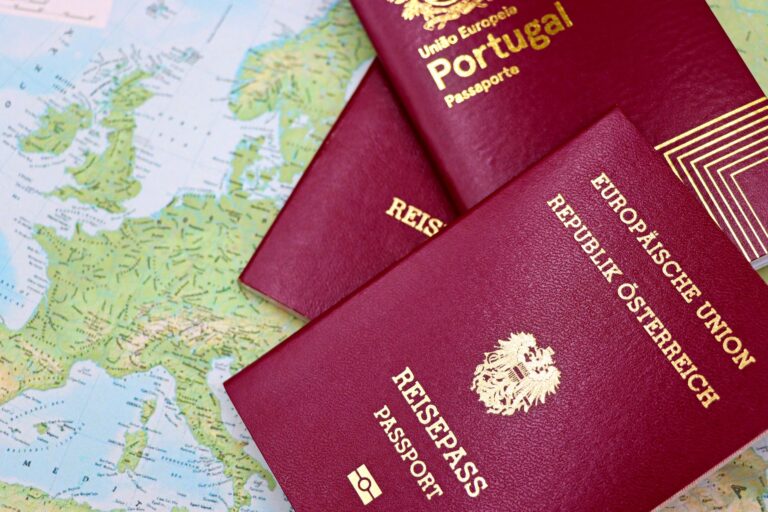
If your passport is from the US, UK, Canada, Australia, or any of the other 74 visa-exempt countries, the Japan visa fee increase 2026 costs you exactly $0. Japan raised single-entry visa fees from roughly $22 to $93 — a 323% jump — but that only applies to nationals of countries that were never visa-exempt and must apply through a Japanese consulate. The ¥1,000 (~$6.60) departure tax (“Sayonara Tax”) already existed since 2019 and is pre-collected in your airfare ticket price.
Do You Actually Pay the New Japan Visa Fee? Passport Checker
The single most important table you need. Check your passport nationality and see immediately whether the 2026 fee hike affects your wallet.
| Passport / Nationality | Visa Required? | New Fee (2026) | What You Actually Pay Extra |
|---|---|---|---|
| 🇺🇸 USA | No — visa-exempt up to 90 days | N/A | $0 |
| 🇬🇧 UK | No — visa-exempt up to 90 days | N/A | $0 |
| 🇨🇦 Canada | No — visa-exempt up to 90 days | N/A | $0 |
| 🇦🇺 Australia | No — visa-exempt up to 90 days | N/A | $0 |
| 🇪🇺 EU (Schengen nations) | No — visa-exempt up to 90 days | N/A | $0 |
| 🇳🇿 New Zealand | No — visa-exempt up to 90 days | N/A | $0 |
| 🇮🇳 India | Yes — visa required | $93 single-entry | +$71 vs old fee |
| 🇨🇳 China | Yes — visa required | $93 single-entry | +$71 vs old fee |
| 🇵🇭 Philippines | Yes — visa required | $93 single-entry | +$71 vs old fee |
| 🇻🇳 Vietnam | Yes — visa required | $93 single-entry | +$71 vs old fee |
| 🇵🇰 Pakistan | Yes — visa required | $93 single-entry | +$71 vs old fee |
Note: The ¥1,000 (~$6.60) departure tax applies to ALL travellers regardless of nationality but is already included in your airline ticket price — you will not pay it separately at the airport.
Japan vs Other Destinations — 2026 Cost Comparison
Even with the visa fee increase, Japan remains competitive for visa-exempt travellers. Here’s how it stacks up against popular alternatives on a daily budget from New York.
| Destination | Daily Budget USD | Return Flight (NYC) USD | Visa Fee (US Passport) | Overall Value |
|---|---|---|---|---|
| 🇯🇵 Japan | $55–$110 | From $420 | $0 | ⭐⭐⭐⭐⭐ Exceptional quality |
| 🇹🇭 Thailand | $35–$70 | From $580 | $0 (30-day exempt) | ⭐⭐⭐⭐⭐ Cheapest overall |
| 🇻🇳 Vietnam | $30–$60 | From $650 | $0 (e-visa $25) | ⭐⭐⭐⭐ Very cheap, longer flight |
| 🇰🇷 South Korea | $60–$100 | From $480 | $0 | ⭐⭐⭐⭐ Similar cost to Japan |
| 🇵🇹 Portugal | $70–$120 | From $390 | $0 | ⭐⭐⭐⭐ Closer, cheaper flight |
| 🇲🇽 Mexico | $45–$85 | From $180 | $0 | ⭐⭐⭐⭐ Best value for quick trips |
Search Cheapest Flights to Japan →
What USD Budget Gets You in Japan — 3 Tiers
🟢 Budget Traveller — $55–$70/day
You stay in hostel dorms ($15–$22/night in Tokyo), eat gyudon bowls ($4–$6), convenience store meals ($3–$5), and travel by local trains and overnight buses. You’ll skip most paid attractions and lean on Japan’s enormous free culture — temples, markets, hiking. A 14-day budget trip including a $500 flight runs roughly $1,270–$1,480 total.
🟡 Mid-Range Traveller — $80–$110/day
Budget hotels or private Airbnbs run $50–$75/night. You eat at sit-down ramen shops ($10–$14), izakayas ($20–$30 for food and drinks), and take the Shinkansen between cities. A 7-day pass on the JR Pass costs around $316. Plan $1,660–$2,070 for 14 nights including flights.
🔴 Comfort Traveller — $150–$200/day
Three-star business hotels ($100–$140/night), sushi omakase dinners ($80+), day trips to Kyoto or Hakone, and entry to paid museums ($10–$20 each). A 14-day comfort trip from New York totals approximately $2,500–$3,200. Japan at this level still undercuts equivalent Paris or London trips by 20–30%.
Japan Departure Tax 2026 — What Is It Actually?
The “Sayonara Tax” (officially the International Tourist Tax) is ¥1,000 per person per departure — that’s approximately $6.60 at the July 2026 rate. It launched in January 2019, not in 2026. Every passenger leaving Japan by air or sea pays it, regardless of nationality or visa status. Airlines collect it automatically in your ticket price — there is no separate counter or kiosk to deal with at the airport.
Don’t Forget: Complete Your Trip
Before you book, lock in these essentials through our trusted partners:
- ✈️ Flights:
Aviasales ·
Kiwi.com - 🏨 Accommodation & tours:
Klook ·
Tiqets - 🚗 Car hire & transfers:
QEEQ ·
Localrent ·
KiwiTaxi - 🛡️ Travel insurance:
EKTA Travel Insurance - ✅ Flight issues?
Compensair ·
AirHelp — claim up to €600 (no-win no-fee)
Frequently Asked Questions
Do US citizens need to pay Japan’s new $93 visa fee in 2026?
No. US citizens are visa-exempt for stays up to 90 days and pay zero consular visa fees to enter Japan in 2026. The $93 (¥14,000) single-entry visa fee only applies to nationals of countries that are not on Japan’s visa-exemption list — including India, China, the Philippines, Vietnam, and Pakistan. US, UK, Canadian, Australian, and EU passport holders are entirely unaffected by the fee increase.
What is Japan’s departure tax in 2026 and do I pay it separately?
Japan’s departure tax — officially the International Tourist Tax — is ¥1,000 per person per departure, equal to approximately $6.60 USD at the July 2026 exchange rate of ¥152/$1. It applies to every passenger leaving Japan regardless of nationality, but it is automatically included in your airline or ferry ticket price. You will not encounter a separate payment desk or kiosk at the airport — it has been baked into ticket pricing since January 2019.
How much did Japan increase the tourist visa fee in 2026?
Japan raised its single-entry tourist visa fee from approximately ¥3,000 (~$22) to ¥14,000 (~$93) in 2026 — an increase of roughly $71, or a 323% rise. Multiple-entry and other visa categories saw similar proportional increases. This change affects only nationalities that require a visa to enter Japan; the 74 visa-exempt nationalities (covering most Western countries) were unaffected.
What is the cheapest time to fly from New York to Japan in 2026?
Return flights from New York (JFK or EWR) to Tokyo (NRT or HND) are cheapest in February and early November, with fares starting from around $420 on carriers including Japan Airlines, ANA, and Korean Air with a Seoul layover. Avoid late March to early April (cherry blossom peak) and mid-July to August when prices routinely exceed $900 return. Book at least 8–10 weeks in advance for the best rates. Compare current fares on Aviasales →
How much does accommodation cost in Japan in 2026?
Hostel dorm beds in Tokyo cost $15–$25 per night; private rooms in budget guesthouses or capsule hotels run $35–$60. Mid-range business hotels (think Toyoko Inn or APA Hotel) average $65–$95 per night. Ryokan (traditional inns) with dinner and breakfast included typically cost $120–$220 per person per night. Prices are 10–20% higher in Kyoto and Osaka during peak seasons (March–April, July–August).
How much does food cost per day in Japan?
Eating cheaply in Japan is genuinely easy — convenience store meals cost $3–$5, ramen bowls average $8–$12, and a lunch set at a sit-down restaurant runs $10–$15. Budget $20–$30/day for food if you mix convenience stores with one sit-down meal. Splurge nights at an izakaya with drinks cost $30–$50. A mid-range daily food budget of $35–$45 is realistic and very satisfying in Japan compared with most Western cities.
Are ATM fees and currency exchange a problem in Japan?
Japan remains heavily cash-reliant in 2026, particularly outside major cities and in temples, local restaurants, and rural areas. 7-Eleven ATMs (operated by Seven Bank) and Japan Post ATMs are the most reliable for foreign cards, charging ¥110–¥220 ($0.73–$1.45) per withdrawal. Avoid airport currency exchange booths — rates are typically 4–6% worse than 7-Eleven ATM rates. Use a no-foreign-fee debit card (e.g., Wise or Charles Schwab) to minimise costs. For connectivity without roaming fees, a Japan eSIM from Yesim starts around $8 for 7 days of data.
What free things can I do in Japan to cut costs?
Dozens of Japan’s top experiences are free: visiting Senso-ji Temple (Tokyo), walking Fushimi Inari’s full trail (Kyoto), exploring Nishiki Market (Kyoto), hiking around Hakone for volcanic views, and strolling Osaka’s Dotonbori district cost nothing. Many Shinto shrines and public parks — including Yoyogi Park and the Imperial Palace East Garden in Tokyo — have no entry fee. Free entertainment alone can fill 3–4 full days without spending a yen on activities.
Is the JR Pass still worth buying in 2026?
The JR Pass is worth buying if you plan to travel between at least three major cities — for example, Tokyo → Kyoto → Hiroshima → Osaka. A 7-day JR Pass costs approximately $316 (¥50,000), while a single Tokyo–Kyoto Shinkansen return ticket costs around $130 alone. If you are staying only in Tokyo or only in Osaka, the pass is not cost-effective. Buy before you fly — the in-Japan purchase price is about 10% higher than the overseas rate. Compare Japan rail passes on Klook →
Do I need travel insurance for Japan in 2026?
Japan is not legally requiring travel insurance for visa-exempt visitors, but it is strongly recommended — Japanese healthcare is high-quality and high-cost for uninsured foreigners. A single overnight hospital stay in Tokyo can cost $800–$2,000 out of pocket. Comprehensive travel insurance for a 14-day Japan trip from the US typically costs $60–$120 depending on your age and cover level. Get a Japan travel insurance quote →
Book Your Japan Trip — Best Tools
Use these to lock in the best prices before demand picks up heading into autumn 2026.
- ✈️ Flights: Search NYC → Tokyo on Aviasales →
- 🌐 Multi-city routes: Build a Japan multi-city itinerary on Kiwi →
- 🎟️ Tours & experiences: Book Japan activities on Klook →
- 📱 Japan eSIM (no roaming): Get a Japan eSIM on Yesim →
- 🚐 Airport transfer (Narita/Haneda): Pre-book your Japan airport transfer →
- 🛡️ Travel insurance: Cover your Japan trip with Ekta →
The Japan visa fee increase 2026 is a real financial hit — but only for travellers from non-exempt countries like India, China, and the Philippines, who now pay $93 instead of $22. If you hold a US, UK, Canadian, Australian, or EU passport, your Japan entry cost is identical to 2025: zero. The ¥1,000 departure tax is $6.60 already in your ticket.
Japan in 2026 costs $55–$110/day depending on your travel style, with flights from New York starting at $420 return in off-peak months. At mid-range spending, a 14-day Japan trip from New York totals approximately $1,700–$2,200 all-in — cheaper than an equivalent quality trip to Western Europe. The fee panic is mostly noise for Western passport holders. Go.
How much money do you need per day to travel in Japan as a budget traveller from Australia?
Budget travellers can get by on AUD $60-90 per day in Japan, including accommodation in hostels (AUD $25-40), local meals (AUD $8-15 per meal), and transport. Regional areas are cheaper than Tokyo and Osaka. Using a JR Pass if staying longer than a week, eating at convenience stores and ramen shops, and staying in hostels or budget capsule hotels will help stretch your budget further.
What’s the cheapest way to get around Japan for Australian tourists?
A JR Pass (Japan Rail Pass) offers excellent value for multiple long-distance trips, though you must buy it before arriving in Australia. For shorter trips, IC cards like Suica or Pasmo work across most cities. Local trains and buses are incredibly cheap compared to Australia. Walking and cycling are free options in many areas. Budget airlines like Peach and Vanilla Air offer affordable domestic flights between cities.
Is Japan actually affordable for Australians or is it expensive to visit?
Japan is surprisingly affordable for budget-conscious travellers, though it has a reputation for being expensive. Major cities like Tokyo and Kyoto cost more, but rural areas and smaller cities offer excellent value. Accommodation, public transport, and street food are cheaper than major Australian cities. Your AUD will stretch further if you avoid high-end restaurants, stay in hostels, and use public transport instead of taxis.
When is the cheapest time to visit Japan from Australia?
The cheapest times to visit Japan are winter (January-February) and summer (July-August). Winter is cold but has fewer tourists and lower accommodation prices. Summer is hot and humid but offers budget deals post-peak season. Avoid cherry blossom season (late March-April) and autumn foliage (October-November) when prices surge. Flying mid-week from Australia is usually cheaper than weekends.