

Cheap Flights Perth to Chiang Mai 2026 | From $631
Historical price guide: Any fares quoted below relate to the article’s original publication period and are not verified live offers. Confirm current prices, availability and conditions directly with the provider.
This article contains affiliate links. If you book or purchase through these links, WanderSteals may earn a commission at no additional cost to you. Read our affiliate disclosure.
✈️ Search Cheap Flights on Aviasales →
🎒 Search Tours & Stays on Klook →
Updated July 2026
✈️ Quick Answer: Perth to Chiang Mai Flights
Best price right now: AUD $631 on Thai Airways (TR), departing 28 July 2026
Best booking window: Book within the next 7–14 days — AU winter school holidays are pushing demand up fast
Verdict: $631 is a genuine standout fare for this route. Lock it in now or risk paying $150–$200 more by next week.
Flights from Perth to Chiang Mai in 2026 start from AUD $631 return, based on a live fare pulled today (Friday, 3 July 2026) on Thai Airways departing 28 July. That’s comfortably under the $800–$900 most travellers expect to pay for this route during winter school holidays, making it one of the strongest SE Asia deals available from Perth right now. For context, the same route in peak season (November–December) typically runs AUD $950–$1,200 return, so booking this July window represents exceptional value for Australian travellers planning an escape to northern Thailand’s cultural heartland.
Perth has become an increasingly popular departure point for Southeast Asian travel, particularly since direct flights to Chiang Mai opened up more reliable routing options. The city’s growing popularity as a transit hub—combined with Australian winter coinciding with Thailand’s ideal travel season—creates a sweet spot for Perth-based travellers. Many Australians underestimate how affordable this route can be, often assuming they need to route through Sydney or Melbourne first. The reality is that Perth to Chiang Mai offers some of the most competitive fares in the country, especially when booked strategically during shoulder seasons or when promotional fares drop.
Perth to Chiang Mai: Airline Price Comparison 2026

Three carriers dominate the Perth–Chiang Mai route. Here’s how they stack up on price, stops, and who they suit best. Prices are indicative of typical economy fares for travel in July–September 2026. Understanding the nuances between these airlines can save you hundreds of dollars whilst ensuring your comfort over the roughly 6–8 hour journey (depending on connections).
| Airline / Platform | Typical Price AUD | Best For | Book Now |
|---|---|---|---|
| Thai Airways (via Aviasales) | From $631 | Best overall value, 1 stop, checked bag included | Book → |
| AirAsia (via Aviasales) | From $680–$760 | Budget-conscious travellers, flexible on bags | Book → |
| Scoot (via Aviasales) | From $710–$800 | Good for multi-city routing through Singapore | Book → |
| Kiwi.com (multi-stop combos) | From $590–$670 | Travellers open to 2+ stops for a lower fare | Compare → |
Prices checked via Travelpayouts API on 3 July 2026. Fares fluctuate — verify at booking.
Thai Airways: The Sweet Spot for Value & Convenience
Thai Airways consistently offers the best balance on this route, and at $631 return, it’s hard to beat. Their flights typically route through Bangkok’s Suvarnabhumi Airport with a comfortable layover window of 2–3 hours, giving you enough time to grab a bite without feeling rushed. The major advantage here is that Thai Airways includes a checked baggage allowance (usually 23kg) in their base fare, which means the $631 price is genuinely all-inclusive for most travellers. Compare this to budget carriers where you’ll immediately add $50–$100 for checked luggage, and the savings become evident.
Thai Airways flights depart Perth in the evening (typically around 10:00 PM) and arrive in Bangkok early the following morning, allowing for a smooth connection to Chiang Mai that gets you into the city by late afternoon. This timing is perfect if you’re trying to minimise the disruption to your working week. The airline also has a strong reputation for onboard service among Australian passengers—meals are included on all flights over 2 hours, and the staff are generally accommodating with special requests.
One traveller tip: Thai Airways occasionally runs flash sales where fares drop to $550–$580 for a week at a time. If you have flexibility in your dates, setting up price alerts on Aviasales (the search platform we recommend) means you’ll catch these deals instantly. The airline also participates in frequent flyer programs—if you have any Thai Airways or Star Alliance points from previous travel, you may be able to apply them to upgrade to premium economy for $200–$300 extra, which transforms the long-haul experience significantly.
AirAsia: The Ultra-Budget Alternative
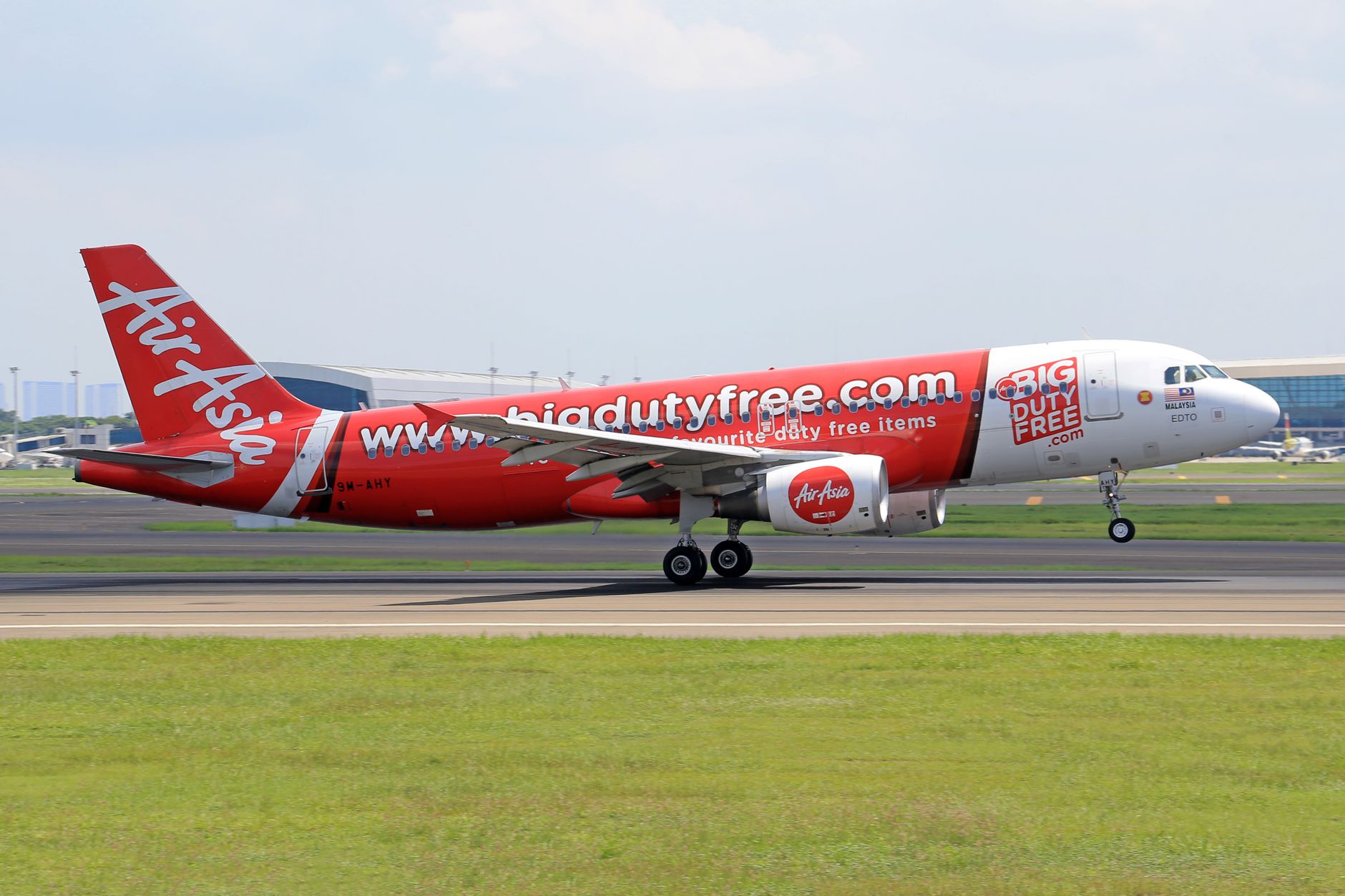
AirAsia fares typically run $680–$760 return, placing them slightly above Thai Airways on average. However, if you’re travelling light and willing to accept ancillary fees, AirAsia can sometimes work out cheaper overall. Their route usually involves a single stop in Kuala Lumpur (KUL), with an average layover of 1.5–2.5 hours depending on the specific flight. The catch is that AirAsia’s base fare includes only carry-on luggage (7kg). If you need checked baggage—which most leisure travellers do—you’re looking at an additional AUD $40–$60 for the first bag.
AirAsia’s planes tend to be newer and comfortable, and they’ve invested significantly in their Perth operations, so flight reliability has improved considerably over the past three years. The airline’s inflight amenities are minimal (seat selection and meals are paid extras), but for young backpackers or minimalist travellers, this is often irrelevant. Many Australian travellers appreciate AirAsia’s mobile app, which makes managing bookings and adding ancillaries straightforward.
A smart tactic for AirAsia: if you’re comfortable flying with just a carry-on bag and don’t need a checked item, their base fare of $680 is genuinely competitive. Additionally, AirAsia occasionally runs aggressive sales during their monthly “hot seat” promotions, where fares can drop to $620–$650 return before taxes. Following their social media or subscribing to their email list puts you in position to snap these up. Students and under-30 travellers should also check whether they qualify for AirAsia’s youth discounts, which can reduce fares by a further $30–$50.
Scoot: The Singapore Stopover Option
Scoot, Singapore Airlines’ budget subsidiary, typically prices at $710–$800 return via their hub in Singapore’s Changi Airport. At first glance, Scoot appears more expensive than the alternatives, but this option becomes attractive if you want to build a multi-city itinerary or spend time in Singapore. If you’re planning to visit Singapore anyway—and many travellers do, as it breaks up the journey nicely—Scoot’s pricing suddenly becomes competitive when you factor in the value of a Singapore stopover.
Scoot flights usually depart Perth in the evening, arrive in Singapore early morning, and then continue to Chiang Mai in the early afternoon. This gives you a 6–8 hour Singapore layover, which is perfect for grabbing lunch in Changi’s excellent food courts, napping in one of the airport’s transit hotels (a 6-hour rest room costs around SGD $25–$35, roughly AUD $25–$35), or taking a quick taxi into the city for a few hours exploring. Many Australian travellers use Scoot for exactly this reason—they get their flight to Chiang Mai but also tick Singapore off their list, effectively getting two destinations for the price of one journey.
Scoot includes 10kg carry-on luggage in all fares, but again, checked bags are extra (approximately $30 for the first bag). One advantage of Scoot is that their flights are consistently timed to provide comfortable layover windows, and their onboard product—while basic—is functional and reliable. If you’re booking a Scoot ticket, check whether they’re offering any Singapore airline lounges access or shopping vouchers, as these are sometimes bundled into promotional fares.
Kiwi.com: When You’re Open to Multiple Stops
Kiwi.com specialises in finding non-traditional routing—what they call “Kiwi.com hacks”—which can occasionally deliver fares as low as $590–$650 return. These typically involve more stops (2–3 instead of 1) but can work brilliantly if you’re flexible and want to explore multiple cities. A typical hack might be Perth → Singapore → Bangkok → Chiang Mai, or Perth → Kuala Lumpur → Bangkok → Chiang Mai, adding anywhere from 2–6 extra hours to your total journey time.
Kiwi.com’s fares are often extremely competitive because they’re combining separate airline tickets into a single itinerary. This means you’re occasionally paying for each leg independently, which can result in significant savings during off-peak booking windows. However, there’s a catch: if your first flight is delayed and you miss a connection, Kiwi.com’s protection (“Kiwi.com Guarantee”) will rebook you, but the process can be time-consuming. For this reason, Kiwi.com fares work best if you’re not on a tight timeline and have a generous buffer between arrival in Thailand and any onward plans.
That said, many Australian travellers swear by Kiwi.com for finding deals. If you have time to experiment with different stop options and don’t mind a slightly longer journey, setting alerts on their platform and checking notifications weekly during the booking window (4–6 weeks before travel) often surfaces genuinely exceptional fares. One recent Australian traveller reported booking Perth to Chiang Mai via Kiwi.com for just
What is the cheapest time to visit Chiang Mai?
The cheapest time to visit Chiang Mai is during the green season (May to October), when accommodation prices drop by 30-50% compared to peak season. However, expect frequent rain and higher humidity. If you prefer dry weather on a budget, visit in November or early December before prices spike for Christmas holidays.
How much does food cost for budget travellers in Chiang Mai?
Street food and local eateries in Chiang Mai cost between 20-60 baht ($0.55-$1.65 AUD) per meal, making it extremely affordable. Night bazaars and morning markets offer the best value. Budget travellers can easily eat three meals daily for under 150 baht ($4 AUD). Restaurant meals with alcohol remain cheap compared to Australian prices.
Is Chiang Mai safe for solo travellers?
Chiang Mai is considered very safe for solo travellers, with low crime rates and a welcoming atmosphere towards visitors. The local population is friendly and used to backpackers. Standard precautions apply: avoid walking alone late at night, secure valuables, and be cautious with motorbike rentals. Many solo travellers stay in hostels where it’s easy to meet others.
Can you get around Chiang Mai cheaply without renting transport?
Yes, Chiang Mai has affordable public transport including red songthaews (shared taxis) costing 20-30 baht per journey. Walking is free in the Old City, and bicycle rentals cost 30-50 baht daily. Grab (ride-hailing app) offers cheap rides for longer distances. Most budget travellers find they rarely need personal transport for exploring the city and nearby attractions.