Japan Tourist Tax Visa Fee 2026: Full Cost Breakdown
Updated July 2026
✈️ Search Cheap Flights on Aviasales →
🎒 Search Tours & Stays on Klook →
⚡ Quick Answer: Tokyo from Sydney — Daily Budget (AUD, July 2026)
- Budget: AUD $95–$120/day | 7 days: ~$1,400 | 14 days: ~$2,600
- Mid-range: AUD $180–$250/day | 7 days: ~$2,500 | 14 days: ~$4,700
- Comfort: AUD $380–$550/day | 7 days: ~$5,200 | 14 days: ~$9,800
Excludes flights. Includes new 2026 tourist taxes and entry fees averaged across your stay.
As of 1 July 2026, Australian tourists entering Japan pay a combined entry and departure fee of approximately AUD $28–$32 per person — up from roughly AUD $10 total before the staged increases. The Japan tourist tax visa fee 2026 changes include a raised tourist arrival tax (now ¥1,000, ~AUD $10.50) and an expanded departure tax (now ¥2,000–¥4,000 depending on ticket class, ~AUD $21–$42), plus a visa application fee of AUD $0 for Australians under the visa-waiver programme for stays up to 90 days. For a couple on a 10-night Tokyo trip, these new fees add roughly AUD $56–$85 to your total trip cost — significant but manageable once you know what to expect.
Japan’s New 2026 Tourist Taxes: Who Pays What
Japan’s fee structure as of July 2026 has three distinct layers. Understanding each one stops you from being blindsided at check-in or immigration.
| Fee Type | Amount (JPY) | Amount (AUD approx.) | Who Pays | How Collected |
|---|---|---|---|---|
| Tourist Arrival Tax | ¥1,000 | ~AUD $10.50 | All visitors | Built into airline ticket at point of sale |
| Departure Tax (Economy) | ¥2,000 | ~AUD $21 | All departing passengers | Built into airline ticket |
| Departure Tax (Business/First) | ¥4,000 | ~AUD $42 | Business/First class passengers | Built into airline ticket |
| Kyoto City Tourist Tax (if applicable) | ¥500–¥10,000/night | AUD $5.25–$105/night | Visitors staying in Kyoto | Charged by accommodation at checkout |
| Visa Application Fee (Australians) | ¥0 | AUD $0 | Australians (visa-waiver) | N/A — no visa required up to 90 days |
Key takeaway: Australians do not pay a Japan visa application fee in 2026 — the visa-waiver programme remains active. The “Japan tourist tax visa fee 2026” you’ve seen discussed online refers to the raised arrival and departure taxes, not a new visa charge. Both are embedded in your airfare automatically.
Total Cost Summary: Sydney to Tokyo 2026
All figures are in AUD and reflect July 2026 market rates. Flight costs are excluded from daily totals but shown separately below.
| Cost Category | Budget | Mid-Range | Comfort |
|---|---|---|---|
| Flights (return, Sydney–Tokyo) | From AUD $680 | AUD $1,100–$1,500 | AUD $2,800+ |
| Accommodation (per night) | AUD $35–$60 | AUD $110–$180 | AUD $280–$500 |
| Food (per day) | AUD $25–$40 | AUD $60–$90 | AUD $120–$200 |
| Transport (per day) | AUD $12–$18 | AUD $18–$30 | AUD $40–$80 |
| Activities (per day) | AUD $10–$20 | AUD $35–$55 | AUD $80–$150 |
| Tourist Taxes (total trip) | AUD $31.50 | AUD $31.50 | AUD $52.50 (Business) |
| TOTAL 7 days (excl. flights) | AUD ~$1,400 | AUD ~$2,500 | AUD ~$5,200 |
| TOTAL 14 days (excl. flights) | AUD ~$2,600 | AUD ~$4,700 | AUD ~$9,800 |
Flights: Sydney to Tokyo — Current Prices
Return flights from Sydney (SYD) to Tokyo Narita (NRT) or Haneda (HND) currently range from AUD $680 in economy on sales to AUD $1,500 for standard fares, as of July 2026. Japan Airlines, ANA, and Qantas fly direct (9.5–10 hours); budget-friendlier options like Scoot and Zipair connect via Singapore or other hubs and come in from AUD $680–$820 return.
Cheapest airlines on this route (July 2026):
- Zipair — from AUD $680 return (basic, SYD–NRT via Tokyo)
- Scoot — from AUD $710 return (via Singapore)
- ANA — from AUD $1,050 return (direct)
- Japan Airlines — from AUD $1,100 return (direct)
- Qantas — from AUD $1,300 return (direct)
Use Aviasales to compare live fares across all carriers on this route — it aggregates prices most AU booking tools miss.
Search Sydney–Tokyo Flights on Aviasales →
For multi-city routes (e.g., Sydney → Tokyo → Osaka → Sydney), Kiwi’s combination ticketing regularly beats single-carrier prices by 15–25%.
Find Multi-City Japan Deals on Kiwi →
Accommodation Costs in Tokyo
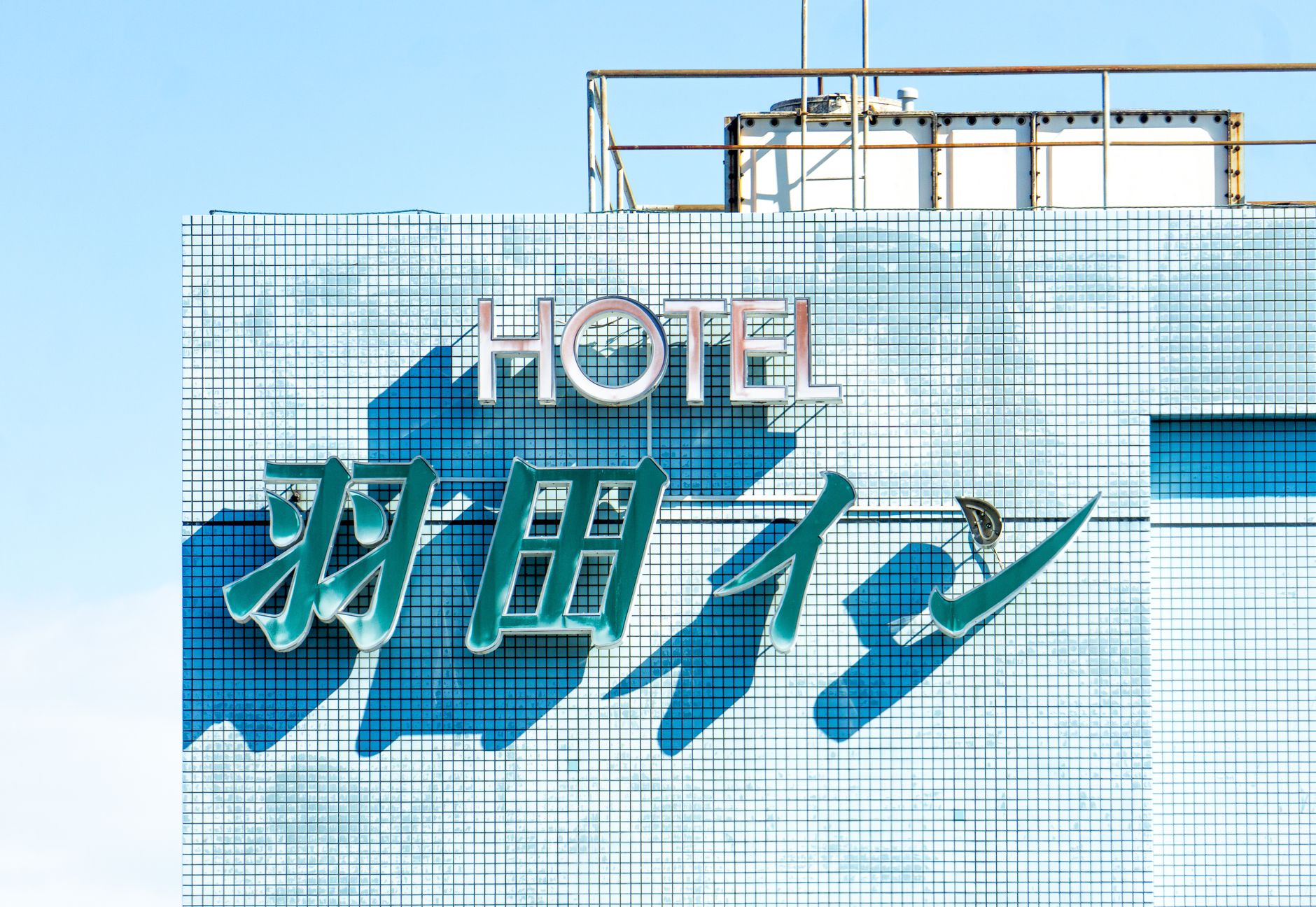
Tokyo accommodation spans a wider price range than almost any other major city. A private room in a capsule hotel runs AUD $35–$55/night; a standard Shinjuku hotel room sits around AUD $130–$170/night in July 2026.
| Accommodation Type | Price/Night (AUD) | Best Booking Site |
|---|---|---|
| Capsule Hotel (private pod) | AUD $35–$55 | Direct hotel site or local booking |
| Budget Guesthouse / Hostel Private Room | AUD $55–$85 | Direct booking |
| Mid-Range Business Hotel (Toyoko Inn, APA) | AUD $110–$160 | Direct hotel chain site |
| Boutique / Design Hotel | AUD $180–$280 | Direct hotel site |
| 4–5 Star Hotel (Shinjuku / Shibuya) | AUD $280–$500+ | Hotel direct for best rate guarantee |
Tip: July is peak summer in Tokyo — book at least 8 weeks ahead. The Obon holiday period (mid-August) causes accommodation prices to spike 20–35% above standard July rates, so timing matters enormously.
Food & Drink Costs in Tokyo
Tokyo is genuinely one of the best-value food cities on earth for the quality delivered. A full ramen meal at a standing counter costs AUD $9–$13; a sit-down sushi omakase starts at AUD $80 and climbs steeply from there.
| Meal Type | Local / Casual Price (AUD) | Tourist / Restaurant Price (AUD) |
|---|---|---|
| Convenience Store Meal (7-Eleven, Lawson) | AUD $5–$9 | AUD $5–$9 (same price) |
| Ramen / Udon (standing restaurant) | AUD $9–$13 | AUD $12–$18 |
| Sushi (conveyor belt, kaiten) | AUD $14–$25 | AUD $20–$35 |
| Set Lunch (teishoku) at a local restaurant | AUD $12–$18 | AUD $18–$28 |
| Dinner (mid-range izakaya) | AUD $28–$45 | AUD $40–$70 |
| Coffee / Beer | AUD $3.50–$6 | AUD $5–$9 |
Transport, Activities & Hidden Costs
Getting Around Tokyo:
- Narita Express (N’EX) airport train: AUD $35 one-way to central Tokyo
- Limousine Bus (Narita to Shinjuku): AUD $22 one-way
- IC Card (Suica/Pasmo) metro rides: AUD $2.10–$4.20 per trip
- Day metro pass (Tokyo Metro): AUD $6.30
- 7-Day JR Pass (nationwide): AUD $560 (purchased in Australia — required before travel)
Activities with prices:
- Senso-ji Temple (Asakusa): Free
- teamLab Borderless (reopened 2024, Azabudai Hills): AUD $38–$42
- Shibuya Sky observation deck: AUD $24
- Tokyo DisneySea (1 day): AUD $110–$145
- Sumo tournament ticket (basic): AUD $18–$30
Book Tokyo experiences through Klook for AUD pricing and instant mobile vouchers — they cover most major attractions with no hidden booking fees.
Book Tokyo Activities on Klook →
Compare Tokyo Tours on Tiqets →
Hidden / Overlooked Costs:
- Travel insurance: AUD $45–$90 for 2 weeks — non-negotiable for Japan given hospital costs. Ekta travel insurance covers Japan with same-day activation.
- Japan eSIM data: AUD $18–$35 for 10–14 days. Yesim eSIM works immediately on arrival — no physical SIM hunt required.
- Luggage forwarding (takkyubin): AUD $12–$18 per bag between hotels — worth every cent if you’re city-hopping
- Airport transfer (Haneda): AUD $18–$25 on Keikyu rail vs. AUD $90+ for a taxi
For pre-booked private airport transfers from Narita or Haneda, KiwiTaxi quotes fixed AUD prices upfront — no yen conversion stress on arrival.
How to Cut Costs: Top 5 Tips
1. Book flights 10–14 weeks out on Aviasales (save AUD $200–$400)
Last-minute Sydney–Tokyo economy fares sit at AUD $1,200–$1,500. Booking 10–14 weeks ahead on Aviasales consistently brings that down to AUD $800–$950 on ANA or JAL.
2. Eat at convenience stores for one meal daily (save AUD $180–$300 over 2 weeks)
7-Eleven and Lawson Japan serve genuinely good hot meals, onigiri, and bento for AUD $5–$9. Replace one restaurant meal daily and pocket roughly AUD $25/day in savings.
3. Skip the full 7-day JR Pass if staying in Tokyo only (save AUD $490)
The JR Pass costs AUD $560. If you’re Tokyo-only, an IC card with metro day passes costs AUD $6.30/day — just AUD $88 for 14 days total. Only buy the JR Pass if you’re doing bullet train travel to Kyoto or Osaka.
4. Get a Japan eSIM before departure (save AUD $40–$60 vs. pocket Wi-Fi rental)
Pocket Wi-Fi rental runs AUD $8–$12/day (AUD $112–$168 for 14 days). A Yesim Japan eSIM for 10GB costs around AUD $28 total — activate it on the plane before landing.
5. Use the Limousine Bus over Narita Express (save AUD $26 return)
The N’EX costs AUD $35 one-way (AUD $70 return). The Limousine Bus to major hotel areas costs AUD $22 one-way — same journey time to Shinjuku, and it drops you at the door.
Don’t Forget: Complete Your Trip
Before you book, lock in these essentials through our trusted partners:
- ✈️ Flights:
Aviasales ·
Kiwi.com - 🏨 Accommodation & tours:
Klook ·
Tiqets - 🚗 Car hire & transfers:
QEEQ ·
Localrent ·
KiwiTaxi - 🛡️ Travel insurance:
EKTA Travel Insurance (25% off) - ✅ Flight issues?
Compensair ·
AirHelp — claim up to €600 (no-win no-fee)
Frequently Asked Questions
How much is Japan’s new tourist tax in 2026?
As of 1 July 2026, tourists pay a ¥1,000 (~AUD $10.50) arrival tax and a ¥2,000 (~AUD $21) departure tax in economy class — a combined AUD $31.50 per person. Business and first-class passengers pay a ¥4,000 departure tax (~AUD $42), bringing their total to approximately AUD $52.50. Both taxes are automatically included in your airfare at the time of purchase — you won’t be asked to pay anything separately at the airport.
Do Australians need to pay a Japan visa fee in 2026?
No. Australian passport holders do not pay a Japan visa application fee in 2026. Japan’s visa-waiver programme allows Australians to enter for up to 90 days without a visa, and there is no application fee. The “Japan tourist tax visa fee 2026” discussed online refers specifically to the arrival and departure taxes embedded in airfares — not a new visa charge. Check the Australian Government travel advisory for current entry requirements before you fly.
What is the “Sayonara Tax” in Japan and do I have to pay it?
The “Sayonara Tax” is the informal name for Japan’s departure tax, formally called the International Tourist Tax. It was introduced in January 2019 at ¥1,000 and has since been tiered: economy passengers pay ¥2,000 (~AUD $21) and premium cabin passengers pay ¥4,000 (~AUD $42) as of 2026. Every person departing Japan pays it regardless of nationality, and it is collected by airlines at the time of ticket purchase — not at the gate.
How much does a 2-week Tokyo trip cost from Sydney in 2026?
A 2-week Tokyo trip from Sydney costs approximately AUD $3,280–$4,100 total for a budget traveller (flights from AUD $680 + AUD $2,600 on the ground) and AUD $5,800–$6,200 for a mid-range traveller (flights ~AUD $1,100 + AUD $4,700 on the ground). Comfort travellers should budget AUD $12,600 or more for 14 nights including flights. These figures include the new 2026 tourist taxes of AUD $31.50 per person.
How is Japan’s tourist tax collected — do I pay at the airport?
No, you do not pay Japan’s tourist tax at the airport. Both the arrival tax (¥1,000) and departure tax (¥2,000 economy / ¥4,000 business) are automatically collected by airlines and included in the ticket price when you purchase your flight. This means your airfare already includes AUD $31.50 (economy) in Japanese tourist taxes — there’s nothing to pay at immigration or the departure gate.
What is the cheapest time for Australians to fly to Tokyo in 2026?
The cheapest return fares from Sydney to Tokyo in 2026 appear in February–March (shoulder season, post-Christmas) and late October–November, when fares regularly drop to AUD $680–$850 return. July (peak summer in Japan) sees fares closer to AUD $1,050–$1,300 return on direct carriers. Booking 10–14 weeks in advance on Aviasales and setting a price alert adds another AUD $100–$200 in typical savings.
Is the Japan Rail Pass worth buying for a Tokyo-only trip in 2026?
No — for a Tokyo-only trip, the JR Pass is not worth buying. A 7-day JR Pass costs AUD $560, while 7 days of Tokyo Metro day passes costs just AUD $44.10 (7 × AUD $6.30). The JR Pass pays off only if you travel by Shinkansen (bullet train) to cities like Kyoto, Osaka, or Hiroshima, where a single return trip from Tokyo costs AUD $210–$280 without it. Calculate your specific route before purchasing.
Japan’s new 2026 tourist taxes add AUD $31.50 per person in economy — real money, but not a trip-breaker. The bigger cost story for Australians is the July airfare premium (up 30–40% vs. February) and Tokyo’s Kyoto-level accommodation crunch during summer. Lock in flights at least 10 weeks out via Aviasales →, grab a Yesim eSIM before you board, and sort travel insurance via Ekta — then every yen you spend in Tokyo is the good kind of spending.
How much money do I need per day to travel in Tokyo on a budget?
Budget travellers can get by on AUD $50-80 per day in Tokyo by staying in hostels (AUD $25-40/night), eating at convenience stores and ramen shops (AUD $5-12 per meal), and using public transport (AUD $8-10/day with a Suica card). This excludes major attractions, which typically cost AUD $10-20 each.
What’s the cheapest way to get from Tokyo airport to the city?
The Keisei Skyliner train (AUD $15-20) is the cheapest and fastest option from Narita Airport, taking around 60 minutes. From Haneda Airport, the Keikyu Line (AUD $3-5) is even cheaper. Both are significantly cheaper than taxis or private transfers, which can cost AUD $100+.
Where can I find the best cheap eats and street food in Tokyo?
Head to Shibuya, Shinjuku, and Harajuku for affordable ramen, gyudon (beef bowls), and yakitori (grilled chicken skewers) for AUD $5-10. Convenience stores like 7-Eleven and Lawson offer discounted bentos after 8pm. Tsukiji Outer Market and Toyosu Market also have budget-friendly fresh food stalls.
Are there free attractions and activities in Tokyo?
Yes! Visit Meiji Shrine, Yoyogi Park, and Ueno Park for free. Explore neighbourhoods like Asakusa, Harajuku, and Shibuya Crossing at no cost. Many temples and shrines are free to enter, and Tokyo has several free observation decks and viewpoints including the Metropolitan Government Building in Shinjuku.