World Cup 2026 USA Safety Tips for International Fans
This article contains affiliate links. If you book or purchase through these links, WanderSteals may earn a commission at no additional cost to you. Read our affiliate disclosure.
Updated June 2026
✈️ Search Cheap Flights on Aviasales →
🎒 Search Tours & Stays on Klook →
⚡ Quick AnswerThe USA is broadly safe for World Cup 2026 visitors. Most host cities have well-managed fan zones and strong event policing — but neighbourhood awareness, petty theft vigilance, and health cover are non-negotiable.
Top 3 precautions right now:
- Use airport-booked transfers — avoid unmarked taxis.
- Keep a digital and physical copy of your passport and tickets.
- Buy travel insurance before you fly — US healthcare costs are among the highest in the world.
The USA hosts 11 of the 16 World Cup 2026 venues, running matches from mid-June through the Final at MetLife Stadium on 19 July. For international fans, the country is a manageable and largely safe destination — provided you understand how safety varies sharply by city, neighbourhood, and time of day.
American cities are not uniformly safe. Public services, policing, and infrastructure quality differ enormously between downtown fan zones and areas a few blocks away. This guide gives you the real picture, city by city, without the tourism spin.
Is the USA Safe for World Cup Fans?
For the tournament itself, yes — FIFA and local authorities are coordinating heavy security operations across all 11 venues. Designated fan zones in cities like New York/New Jersey, Los Angeles, Dallas, Miami, and Seattle will have visible police presence and crowd management systems in place.
Outside the fan zones, the picture is more varied. Cities including Los Angeles, Dallas, Atlanta, and Kansas City have districts with higher crime rates. Stick to well-lit, busy areas after dark and use pre-booked transport.
Scams to watch: Ticket touts selling counterfeits outside stadiums, fake “official” merchandise vendors, and overcharging by unlicensed drivers are the most commonly reported issues at major US sporting events. Always buy tickets through the official FIFA platform and book airport transfers in advance through a verified service like Welcome Pickups or GetTransfer.
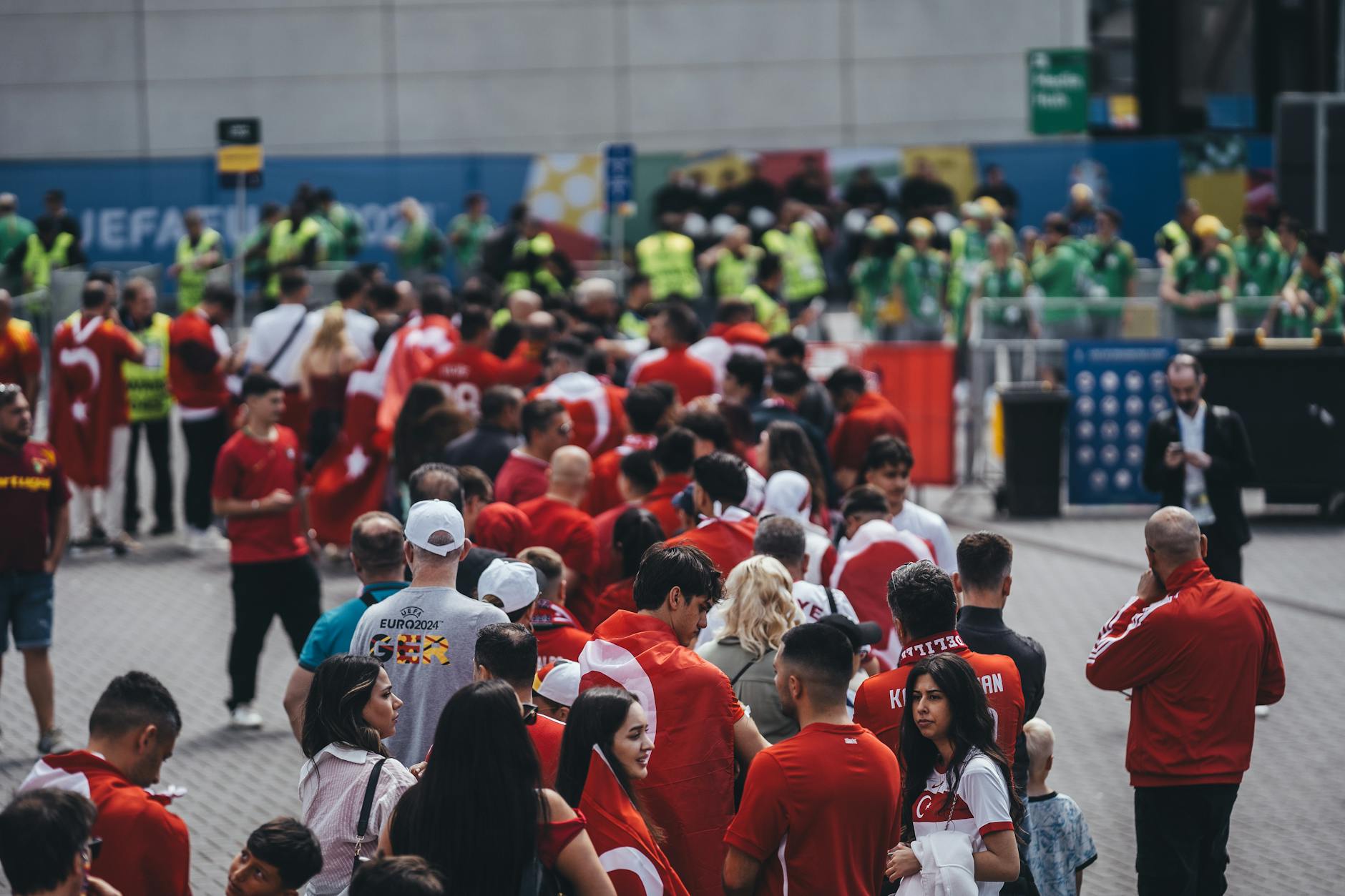
Match-day crowds at venues like MetLife, SoFi Stadium, and AT&T Stadium hold 70,000–100,000 fans. Arrive early, know your exit routes, and keep your phone charged.
Top Safety Tips for International Fans
- Book airport transfers in advance. Unlicensed taxis operate at most major US airports. Use KiwiTaxi or Welcome Pickups for a fixed-price, verified ride from the moment you land.
- Never carry your original passport to a match. Leave it locked in your accommodation and carry a certified copy plus a photo on your phone.
- Use digital tickets only. Screenshot your FIFA match tickets and store them offline — stadium Wi-Fi can be unreliable. Do not buy from street sellers under any circumstances.
- Split your cash and cards. Keep one card and small cash in your wallet; store a backup card separately. US$100–150 in cash is sufficient for daily use in most cities.
- Be neighbourhood-aware at night. Research the specific district of your hotel — not just the city. Apps like Google Maps mark areas with lower safety scores. Avoid walking alone in unfamiliar streets after midnight.
- Register with your country’s embassy. Most countries offer a travel registration service. In an emergency, this is the fastest route to consular help.
- Keep a charged power bank at all times. Dead phones mean no maps, no rideshare apps, no emergency contacts. A 10,000mAh bank covers a full match day.
- Watch your belongings in crowded fan zones. Pickpocketing in dense crowds is the most common crime reported at large sporting events globally — the USA is no different. Use a zip-close bag or money belt.
Health, Money & Emergencies
Emergency numbers in the USA: dial 911 for police, fire, or ambulance — free from any phone, including phones with no active SIM. Save it now.
US healthcare is expensive — a single emergency room visit can cost $1,500–$5,000+ without insurance. This is not a risk to take. Buy comprehensive travel insurance before you depart, covering medical evacuation, trip cancellation, and lost baggage.
Compare EKTA Travel Insurance Plans →Money: Visa and Mastercard are accepted almost universally. Notify your bank before travel to avoid cards being blocked. ATMs are widely available — withdraw from bank-branded machines only to avoid skimming devices. Tipping is standard at 18–20% in restaurants and for rideshare drivers.
Water: Tap water is safe to drink across all 11 host cities. Bottled water at stadiums costs $5–$8 — bring a refillable bottle and use venue filling stations.
Flight disruptions: If your journey to or from the USA is delayed or cancelled, you may be entitled to compensation. Check your eligibility with Compensair or AirHelp — both handle international claims.
Staying Connected for Safety
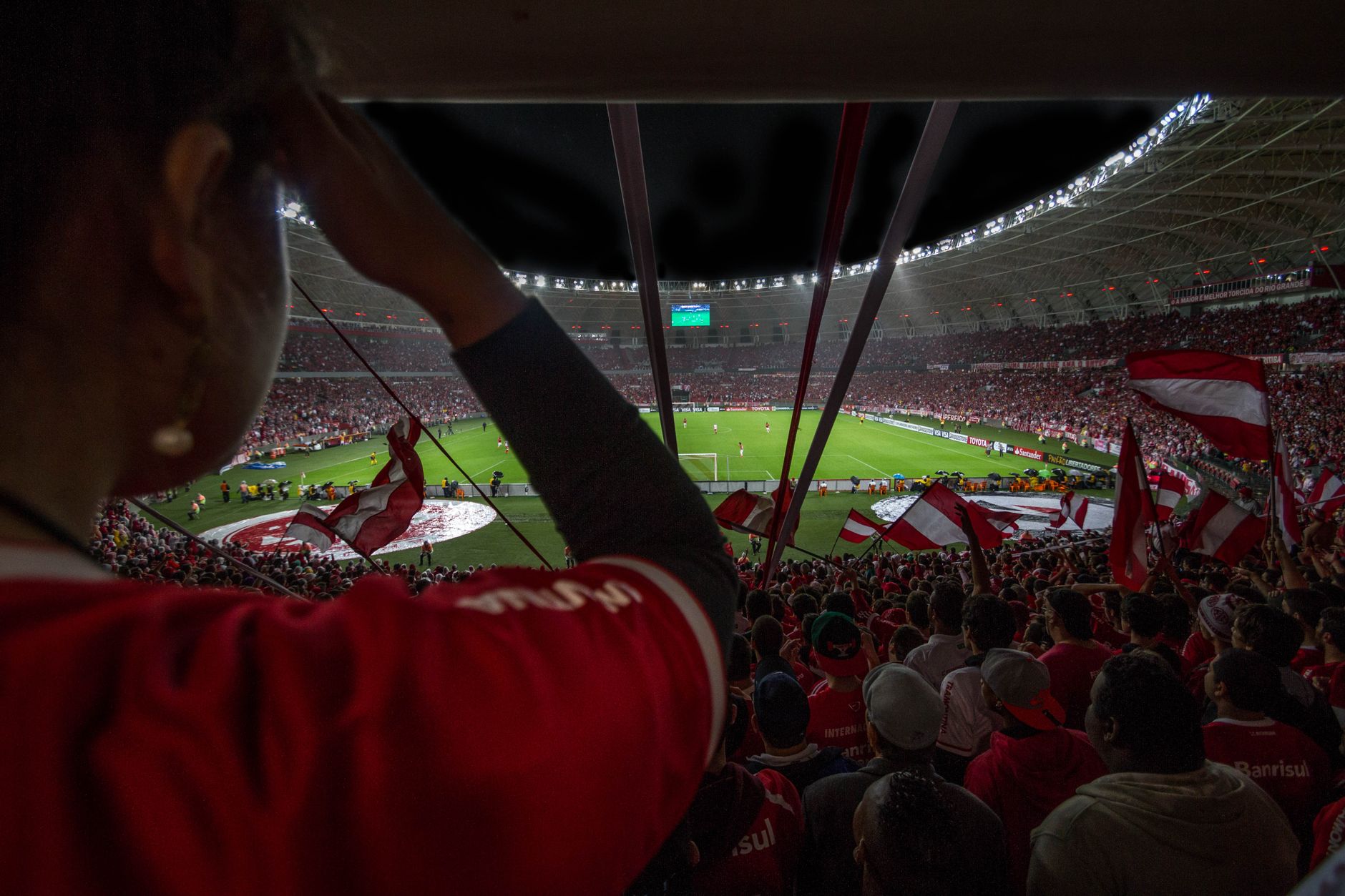
Having live mobile data is a safety tool, not a luxury. Maps, rideshare apps, emergency contacts, and digital tickets all require a working connection — and roaming fees from your home provider can be punishing in the USA.
The fastest fix: activate a Yesim eSIM before you travel. It covers the USA, Mexico, and Canada in one plan — ideal if you’re catching matches in multiple host countries. Plans start from around $4–$8 for 1GB and scale up for multi-week coverage. No physical SIM swap needed; activate it on your phone before boarding.
Actionable tip: Download Google Maps offline for every city you’ll visit. If your data runs out unexpectedly, you’ll still have navigation. Pair this with a Yesim eSIM for full redundancy.
Is the USA safe for solo international fans attending World Cup 2026?
Yes, with sensible precautions. The 11 host cities have dedicated security operations for the tournament, and fan zones are heavily policed. Solo fans should pre-book all transfers, avoid unfamiliar neighbourhoods at night, and always share their itinerary with someone at home.
Which US host cities are safest for World Cup visitors?
Seattle, Boston, and the San Francisco Bay Area consistently rank among the safer major US cities for visitors. New York/New Jersey (MetLife Stadium), Los Angeles, and Dallas attract the largest crowds and require more neighbourhood awareness, particularly after matches end late at night.
Do I need travel insurance for the USA as a World Cup fan?
Absolutely — this is not optional. A single US emergency room visit can cost $1,500–$5,000 without cover, and medical evacuation can exceed $50,000. Buy a policy that covers medical expenses, trip cancellation, and lost tickets before you depart. EKTA Travel Insurance offers plans suited to multi-city sports travel.
What should I do if I’m a victim of theft in the USA during World Cup 2026?
Call 911 immediately or go to the nearest police station to file a report — you will need this document for any insurance claim. Contact your country’s nearest embassy or consulate if your passport is stolen. Keep digital copies of all documents stored in a secure cloud folder before you travel.
Is it safe to use public transport between US World Cup venues?
Yes — metros, light rail, and official match-day shuttle services are the recommended ways to reach most stadiums, and they are significantly cheaper than taxis during peak match periods. In cities where public transport is limited (like Dallas or Kansas City), pre-book a verified transfer through KiwiTaxi or rent a car via QEEQ.
The USA is a safe and well-organised destination for World Cup 2026 — FIFA, local police, and city authorities are investing heavily in fan security. The real risks are specific and avoidable: unlicensed taxis, counterfeit tickets, petty theft in crowds, and the catastrophic cost of being uninsured if something goes medically wrong.
Sort your three essentials before you fly: a verified transfer from the airport (Welcome Pickups), an eSIM for live data (Yesim), and comprehensive travel insurance (EKTA). Everything else is just football.