
Schengen Area (Europe) travel guide — WanderSteals budget travel

EU Entry Exit System Delays 2026 Explained: Airport Guide

✈️ Search Cheap Flights on Aviasales →

🎒 Search Tours & Stays on Klook →

⚡ EES Quick Stats — July 2026
Updated July 2026
📍 Worst delays: Athens (ATH), Copenhagen (CPH), Milan Malpensa (MXP) — 60–90 min avg
📍 Smoothest hubs: Lisbon (LIS), Porto (OPO), Faro (FAO) — 10–20 min avg
✈️ Cheapest NYC → Schengen flight: From $420 round-trip (NYC–Lisbon, off-peak)
💰 Average daily budget: $65–$120 USD depending on city
💱 EUR/USD rate (July 2026): ~$1.09 per €1
🛂 ETIAS status: Delayed — earliest launch now mid-2027

The EU Entry Exit System (EES) is adding 45–90 minutes to border processing at the worst Schengen airports right now — and that’s before you clear baggage. At Athens Eleftherios Venizelos, average non-EU queue times hit 87 minutes during the week of July 14–20, 2026. If you’re flying into one of the smoother hubs like Lisbon or Porto, you’re looking at 10–20 minutes for the same biometric registration. Knowing which airport you land at could save your entire trip.

What Is EES and Why Are Delays So Bad Right Now?

EES is the Schengen Area’s new automated border system that fingerprints and photographs every non-EU traveler on every entry and exit. It replaced the old passport-stamp method and went live for most Schengen members in early 2026. The delay problem is simple: the biometric kiosks can process roughly 90 travelers per hour per lane, but peak-summer flights from the US carry 250–400 passengers, and most airports have only 4–8 operational non-EU lanes.

Processing your EES registration takes 3–5 minutes the first time (biometrics captured) and 60–90 seconds on repeat visits within your 90-day window. The first-visit bottleneck is what’s crippling July and August queues.

Airport-by-Airport EES Delay Status — July 2026

Airport Code Avg Non-EU Queue (July 2026) EES Kiosk Status Risk Level
Athens Intl ATH 75–90 min 8 lanes, frequent outages 🔴 HIGH
Copenhagen CPH 60–80 min 10 lanes, high volume 🔴 HIGH
Milan Malpensa MXP 55–75 min 6 lanes, T1 busier 🔴 HIGH
Amsterdam Schiphol AMS 35–55 min 14 lanes, better staffed 🟡 MEDIUM
Paris CDG CDG 30–50 min 16 lanes, T2 smoother 🟡 MEDIUM
Lisbon LIS 10–20 min Phased rollout, flex lanes 🟢 LOW
Porto OPO 10–18 min Phased rollout, low volume 🟢 LOW
Faro FAO 8–15 min Phased rollout, smallest hub 🟢 LOW

Why are Lisbon, Porto, and Faro so much faster? Portugal negotiated a phased EES rollout and is still operating hybrid lanes where officers can manually process travelers during peak congestion. This flexibility expires in late 2026, so the window is shrinking — but it’s wide open right now.

How to Avoid EES Queues: 5 Moves That Actually Work

1. Fly into a phased-rollout airport first. Route through Lisbon, Porto, or Faro as your Schengen entry point, then connect onward. A NYC–LIS–ATH itinerary clears EES in 15 minutes in Lisbon instead of 90 minutes in Athens. Find multi-city routes on Kiwi →

2. Book early morning arrivals. The 6–9 AM arrival window has 30–40% shorter queues than afternoon banks of flights. This isn’t a guess — Copenhagen’s own airport authority published queue-time breakdowns showing this gap in June 2026.

3. Build a 90-minute connection buffer minimum. If you’re connecting within the Schengen Area after your initial EES entry, standard 60-minute connections are now routinely missed at high-risk airports. Budget for 90–120 minutes at ATH, CPH, and MXP.

4. Get travel insurance that explicitly covers missed connections from border delays. Most standard policies exclude “government processing” as a covered reason. Read the fine print. Check EES-compatible coverage at Ekta → — their Comprehensive plan covers missed connections from immigration processing delays up to $500 per incident.

5. Install a data eSIM before you board. Live queue alerts from apps like the official airport companion tools require data the second you land — before you clear immigration. A European eSIM activates mid-flight. Get a Yesim Europe eSIM from $4.50 → — covers 30+ Schengen countries, no roaming fees.

What USD Budget Gets You in the Schengen Area

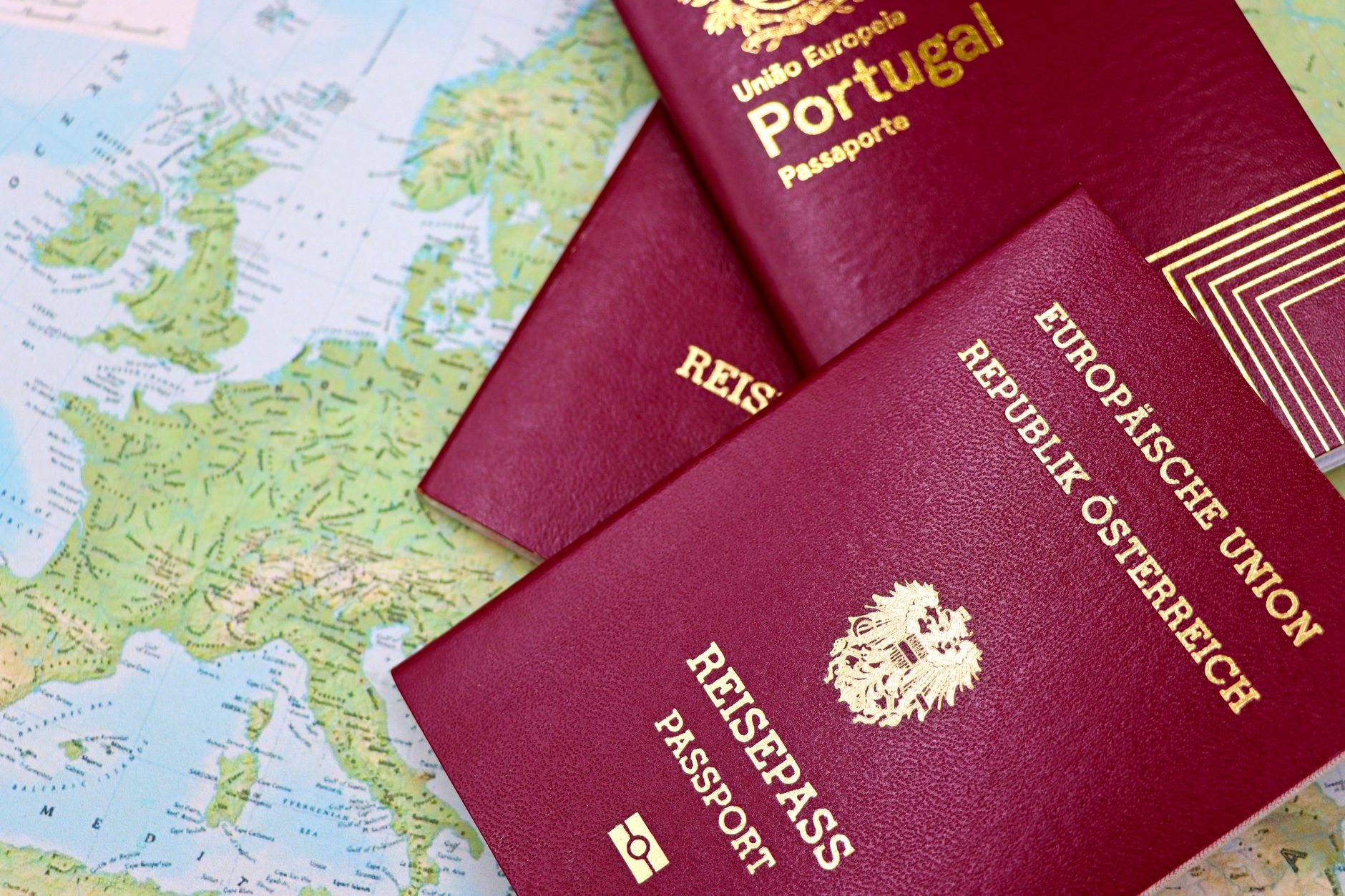
What USD Budget Gets You in the Schengen Area — Schengen Area (Europe) travel guide
Photo by Marta Branco on Pexels
Tier Daily Budget (USD) Accommodation Food Example City
Budget $55–$75/day Hostel dorm $20–$30 Market + cheap eats $15–$25 Lisbon, Porto, Kraków
Mid-Range $110–$160/day 3-star hotel $65–$100 Sit-down meals $30–$45 Barcelona, Rome, Vienna
Comfort $200–$280/day Boutique hotel $130–$175 Restaurants + wine $55–$80 Paris, Amsterdam, Copenhagen

Cheapest flights from New York (JFK/EWR) to the Schengen Area start at $420 round-trip to Lisbon in shoulder season (October–November). Peak summer (July–August) averages $680–$950 RT. Search live NYC → Europe fares on Aviasales →

Schengen Area vs. Other Destinations — Cost Comparison

Destination Daily Budget USD Flight from NYC (USD RT) Overall Value
Schengen — Portugal $55–$90 From $420 ⭐⭐⭐⭐⭐ Best value
Schengen — France/Germany $110–$180 From $490 ⭐⭐⭐ Moderate
UK (non-Schengen) $120–$200 From $380 ⭐⭐⭐ Moderate
Mexico City $40–$70 From $220 ⭐⭐⭐⭐⭐ Cheapest overall
Japan (Tokyo) $70–$130 From $620 ⭐⭐⭐⭐ Good if planned
Costa Rica $60–$100 From $290 ⭐⭐⭐⭐ Strong mid-range

Don’t Forget: Complete Your Trip

Before you book, lock in these essentials through our trusted partners:

Frequently Asked Questions

How long are EES border delays at European airports right now, and how do I avoid them?

As of July 2026, EES border delays for American travelers range from 8–20 minutes at low-risk Portuguese airports (Lisbon, Porto, Faro) to 75–90 minutes at high-risk hubs like Athens and Copenhagen. To avoid the worst queues, book flights that enter the Schengen Area through Portugal, arrive before 9 AM, and build at least a 90-minute buffer for any onward connections. Installing a European eSIM before departure lets you check live airport queue alerts the moment your plane lands.

What is the EU Entry Exit System and does it apply to American travelers?

Yes — EES applies to all non-EU citizens, including Americans, entering the Schengen Area. It records your fingerprints and a facial photograph on your first entry, then logs every subsequent entry and exit automatically. The system enforces the existing 90-days-in-180-days rule digitally, replacing the old manual passport stamp. There is no fee for EES registration — it happens at the border on arrival.

Which airports have the worst EES delays in summer 2026?

Athens (ATH) is currently the worst, with average non-EU queue times of 75–90 minutes in July 2026, followed by Copenhagen (CPH) at 60–80 minutes and Milan Malpensa (MXP) at 55–75 minutes. The primary cause is a combination of high summer passenger volumes and a limited number of operational EES kiosk lanes — ATH has just 8 lanes handling several wide-body transatlantic arrivals simultaneously. Amsterdam (AMS) and Paris CDG are medium-risk at 30–55 minutes.

Is ETIAS still launching in 2026, and do Americans need it?

ETIAS — the EU’s pre-travel authorization similar to the US ESTA — has been officially delayed and is now expected no earlier than mid-2027. As of July 2026, Americans do not need ETIAS to enter the Schengen Area. When it does launch, the fee is expected to be €7 (approximately $7.60 USD) for a 3-year multiple-entry authorization. Check the US State Department travel advisory for the latest official guidance before your trip.

How cheap is the Schengen Area for American budget travelers in 2026?

Budget travelers can do Portugal (the cheapest Schengen destination) for $55–$75 per day including a hostel dorm ($20–$30/night), cheap eats, and local transport. Mid-range cities like Barcelona or Rome run $110–$160/day. Flights from New York start at $420 round-trip to Lisbon in off-peak months. At the current exchange rate of approximately $1.09 per €1, the euro’s relative strength makes Western Europe pricier than in 2023–2024 but still manageable with the right city choices.

Does travel insurance cover missed flights caused by EES border delays?

Most standard travel insurance policies do NOT cover missed connections caused by “government processing” — and EES border delays fall into that category. You need a policy that explicitly lists immigration processing delays as a covered cause for trip interruption or missed connection claims. Ekta’s Comprehensive plan is one of the few currently on the market that covers missed connections from immigration processing delays up to $500 per incident. Always read the covered reasons section before purchasing. Compare Ekta plans →

Can I claim compensation if EES delays cause me to miss my flight?

EU261 passenger rights compensation applies to flight delays and cancellations caused by the airline — not border processing. However, if your airline re-books you on a later flight due to a missed connection, you may still have a valid EU261 claim for the re-booked delay if that flight is itself delayed over 3 hours. Services like AirHelp assess your claim for free and take a 25% cut only if successful. Check your EU261 eligibility →

What’s the cheapest way to get real-time EES queue alerts without paying roaming fees?

Install a European eSIM before your flight departs — it activates over Wi-Fi mid-flight or the moment you land, giving you live data before you hit the queue. Yesim’s Europe regional plan covers 30+ Schengen countries and starts at $4.50 for 1 GB, enough for map apps and queue-alert tools. This is significantly cheaper than AT&T or Verizon international day passes, which run $10–$15 per day. Get Yesim Europe eSIM →

What are the best free things to do in the Schengen Area?

Many of Europe’s top museums are free on specific days — Paris’s national museums (Louvre, Musée d’Orsay) are free on the first Sunday of each month. Most Schengen cities have free walking tours with a tip-based model averaging $10–$15 USD. Porto’s entire riverside Ribeira district, Lisbon’s viewpoints (miradouros), Barcelona’s Barceloneta Beach, and Rome’s Pantheon exterior are all free. Budget travelers can easily fill 3–4 hours daily without spending a euro on attractions.

Should I get a private airport transfer or use public transit given EES delay uncertainty?

At high-delay airports like Athens and Copenhagen, a pre-booked private transfer removes one stressor — your driver waits regardless of how long immigration takes, with no extra charge for the delay. Public transit requires catching specific trains or buses on a schedule, which becomes a gamble when your arrival time is unpredictable. Private transfers from ATH to central Athens run $28–$45 USD. Book a fixed-price airport transfer →

🏆 WanderSteals Verdict

The EU Entry Exit System is real, it’s creating genuine 60–90 minute delays at the wrong airports, and most American travelers are flying directly into the worst-hit hubs. The fix is simple: route your Schengen entry through Lisbon, Porto, or Faro while Portugal’s phased rollout is still active. Lock in flights from $420 RT with Aviasales, find complex multi-city routings on Kiwi, buy insurance that actually covers border delays via Ekta, and activate a Yesim eSIM before you board. Pre-book your transfer with KiwiTaxi so you’re never stranded if queues run long. Europe is still absolutely worth it in 2026 — you just need the right entry point.

Do Australian citizens need a visa to travel to the Schengen Area?

Australian citizens do not need a visa to enter the Schengen Area for short-term visits of up to 90 days within a 180-day period. However, you must have a valid Australian passport with at least 6 months validity remaining. From 2025, Australia will be included in the ETIAS (European Travel Information and Authorization System), which will require pre-travel authorization costing around €7, though this is not yet mandatory.

What is the cheapest time of year to visit the Schengen Area from Australia?

The cheapest time to visit is during the winter months (November to February, excluding December holidays) and shoulder seasons (April-May and September-October). Flight prices from Australia are significantly lower during these periods, and accommodation is also cheaper than peak summer season. Budget airlines offer the best deals on internal European flights during these times.

Can you travel between Schengen countries without a passport?

Once you enter the Schengen Area and pass initial border control, there are no internal border checks between member countries, so you can travel freely. However, you must always carry your passport or travel document as proof of identity, as police can request it at any time. Some budget travellers skip carrying originals but keep digital copies, though this is not officially recommended.

How long can Australian tourists stay in the Schengen Area on a tourist visa?

Australian citizens can stay for up to 90 days in any 180-day period without a visa. This means you can spend up to 3 months travelling across all 27 Schengen member countries combined during a 6-month window. Once your 90 days expire, you must leave the Schengen Area and cannot re-enter for another 90 days within the same 180-day period.

Similar Posts

Leave a Reply

Your email address will not be published. Required fields are marked *