Best Portable Chargers and Power Banks for Travel
This article contains affiliate links. If you book or purchase through these links, WanderSteals may earn a commission at no additional cost to you. As an Amazon Associate, I earn from qualifying purchases. Read our affiliate disclosure.
This article contains affiliate links. If you buy through them, WanderSteals may earn a commission at no extra cost to you. As an Amazon Associate, WanderSteals earns from qualifying purchases.
Quick answer: For most travellers, the Anker PowerCore 10000 is the one to buy. It is compact enough to carry every day and gives roughly 2–3 phone charges. It has been seen from around US$18 on Amazon’s US store during sales. Australian prices and stock vary, so check the current listing before you buy.
If you still rely on airport outlets or ration your battery like it’s 2015, the fix is cheap. Power banks have moved on from the older lists. USB-C fast charging and higher-output models that can run a laptop are now standard options. This guide covers which size to buy, which models suit which trips, the airline rules that matter and how to avoid paying too much.
Best portable chargers for travel: quick comparison
Prices below are indicative US-dollar figures seen on Amazon’s US store. They are not live quotes. Prices on Amazon Australia will differ.
| Power bank | Best for | Indicative US price | Check price |
|---|---|---|---|
| Anker PowerCore 10000 | Most travellers (compact, reliable) | ~US$18–22 | See price |
| Anker 737 Power Bank | Laptop and phone charging | ~US$85–95 | See price |
| RAVPower 20000mAh Power Bank | Long trips, multiple devices | ~US$35–40 | See price |
| Anker Nano Power Bank | Ultralight weekend trips | ~US$20–25 | See price |
| INIU Portable Charger 10000mAh | Budget pick | ~US$12–15 | See price |
What size power bank do you need for travel?
A 10,000mAh power bank gives roughly 2–3 full charges for a modern smartphone such as an iPhone 15 or Samsung Galaxy S24. That covers a day of heavy navigation, photos and scrolling without hunting for outlets.
Go bigger, to 20,000mAh or more, if you’re charging tablets or e-readers, or travelling somewhere with unreliable electricity. Bear in mind that anything over 100Wh (about 27,000mAh) is not allowed on most flights. Power banks of any legal size must go in carry-on and never in checked bags.
Top power bank picks for travel
Best overall: Anker PowerCore 10000 Portable Charger
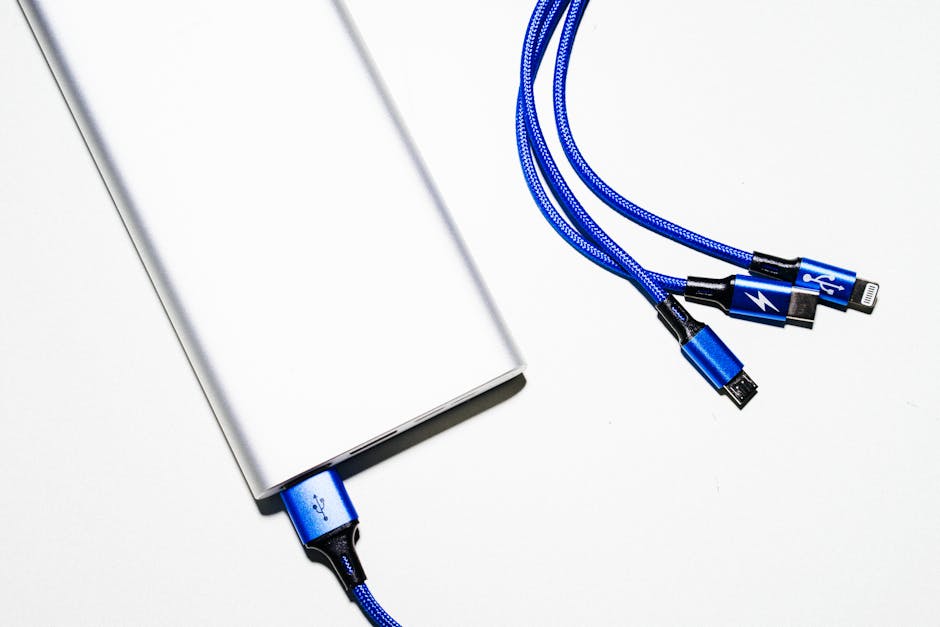
This lipstick-sized power bank weighs about 180g and fits in a jeans pocket. It charges an iPhone 15 about 2.5 times, which makes it the easiest all-rounder for city breaks and long trips alike. It has been seen from around US$18–20 on the US store. Check the Australian listing for local pricing.
Trade-off: Older versions lack USB-C input, so make sure you get the newer version with dual charging ports.
Best for laptops: Anker 737 Power Bank
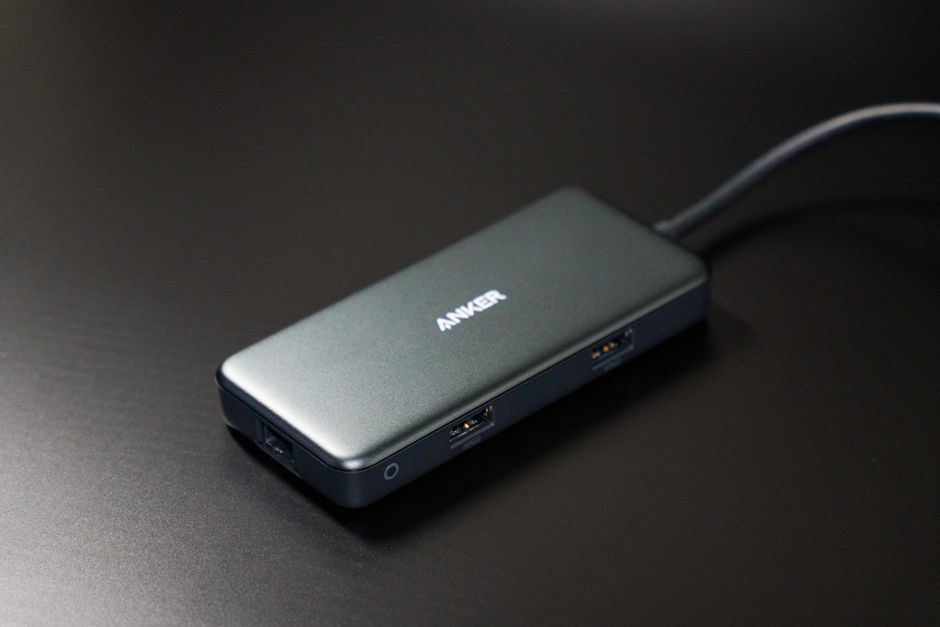
This one suits remote workers and digital nomads. It delivers 65W output, which is enough to charge a MacBook Air or Dell XPS while you work from a café. The 24,000mAh capacity keeps a laptop and phone topped up through a long-haul flight, and it stays under the 100Wh carry-on limit.
It is heavier, at about 630g. If your income depends on staying online, the extra weight is worth carrying.
Best high-capacity: RAVPower 20000mAh Portable Charger
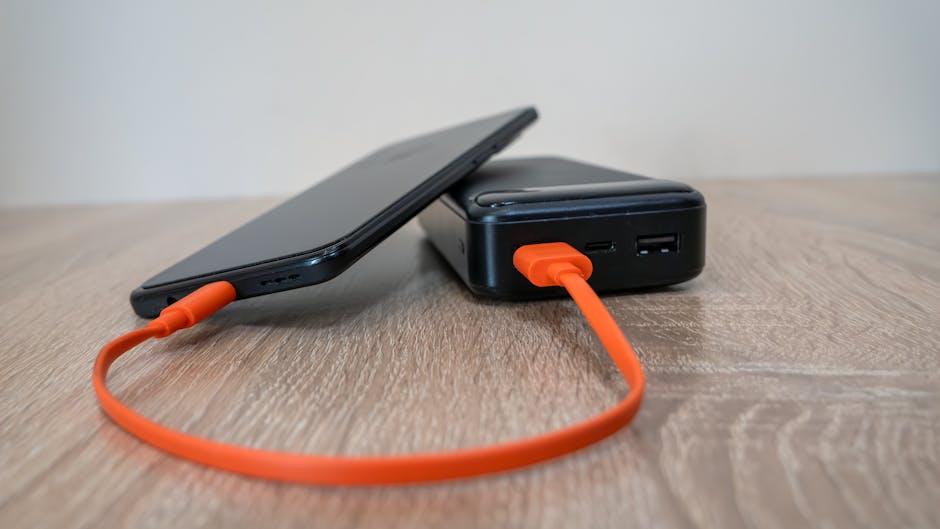
This is the one for trips where power is patchy, such as island-hopping in Indonesia. It has enough capacity to keep a phone, e-reader and headphones running for days. Three USB ports also let you share charge with travel companions.
It is bulkier than the 10,000mAh options but stays within the carry-on limit for flights.
Best ultralight: Anker Nano Power Bank
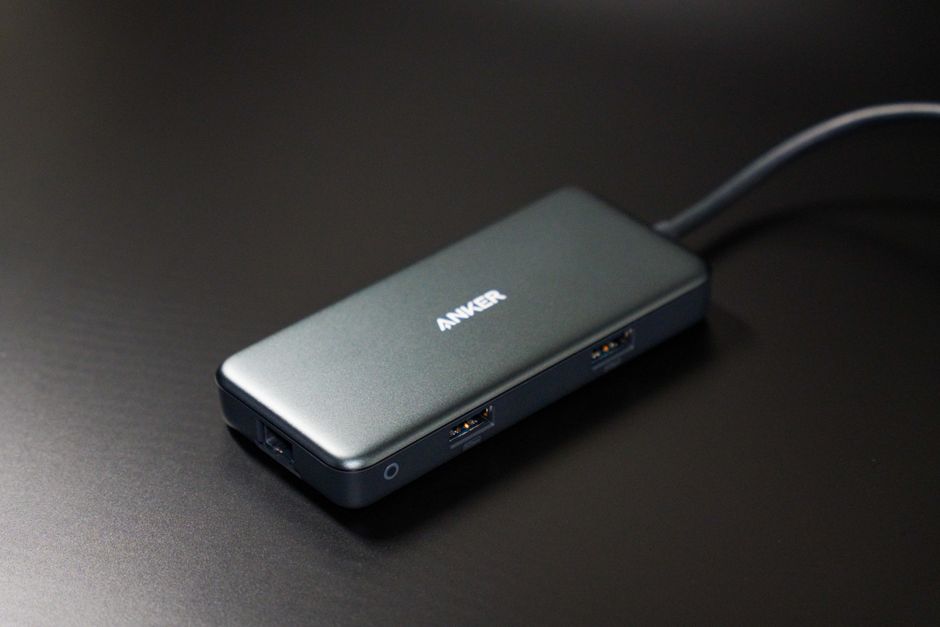
This is for minimalist packers. It weighs barely 100g and gives one full phone charge, which suits day hikes or city sightseeing when you only need a safety net. A built-in USB-C connector means one less cable to pack.
Reality check: 5,000mAh won’t get you through a full day of navigation. Treat it as a back-up rather than your main power source.
Best budget pick: INIU Portable Charger 10000mAh
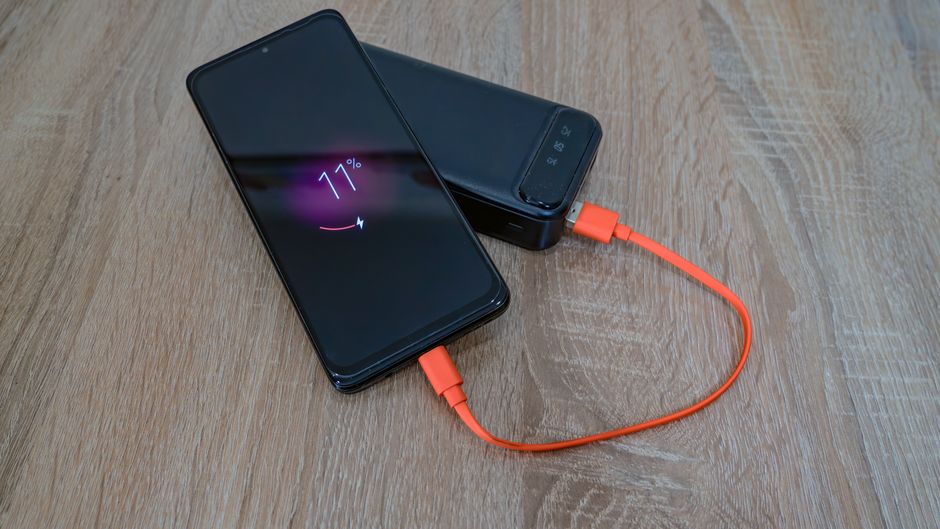
You don’t need to spend big. This 10,000mAh charger has been seen from around US$12–13 on the US store. The build quality is a step below Anker’s. Its LED display shows the exact percentage remaining, which is handier than Anker’s four-dot indicator.
Best fast-charging combo: Anker 65W USB-C charger and power bank bundle
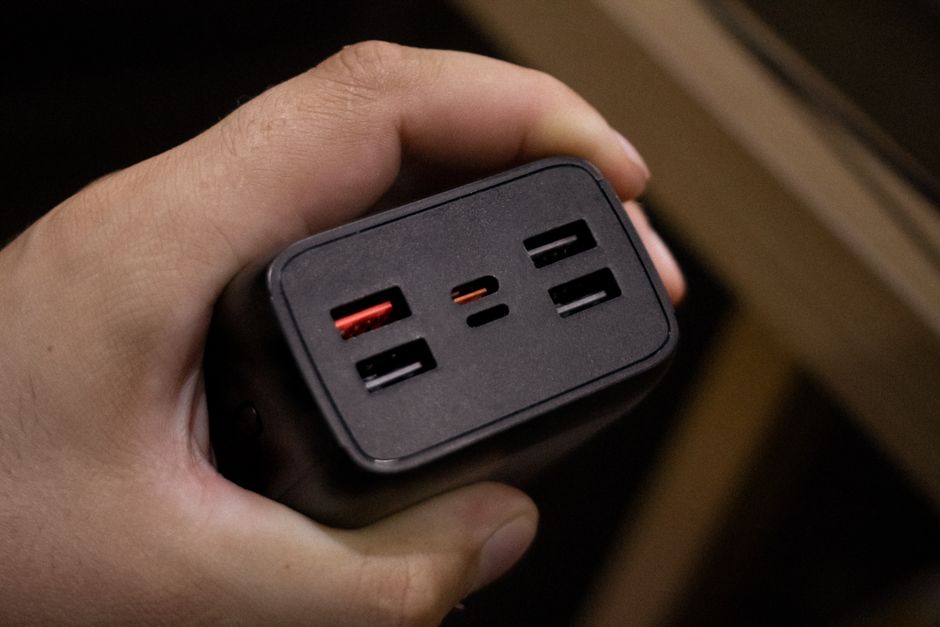
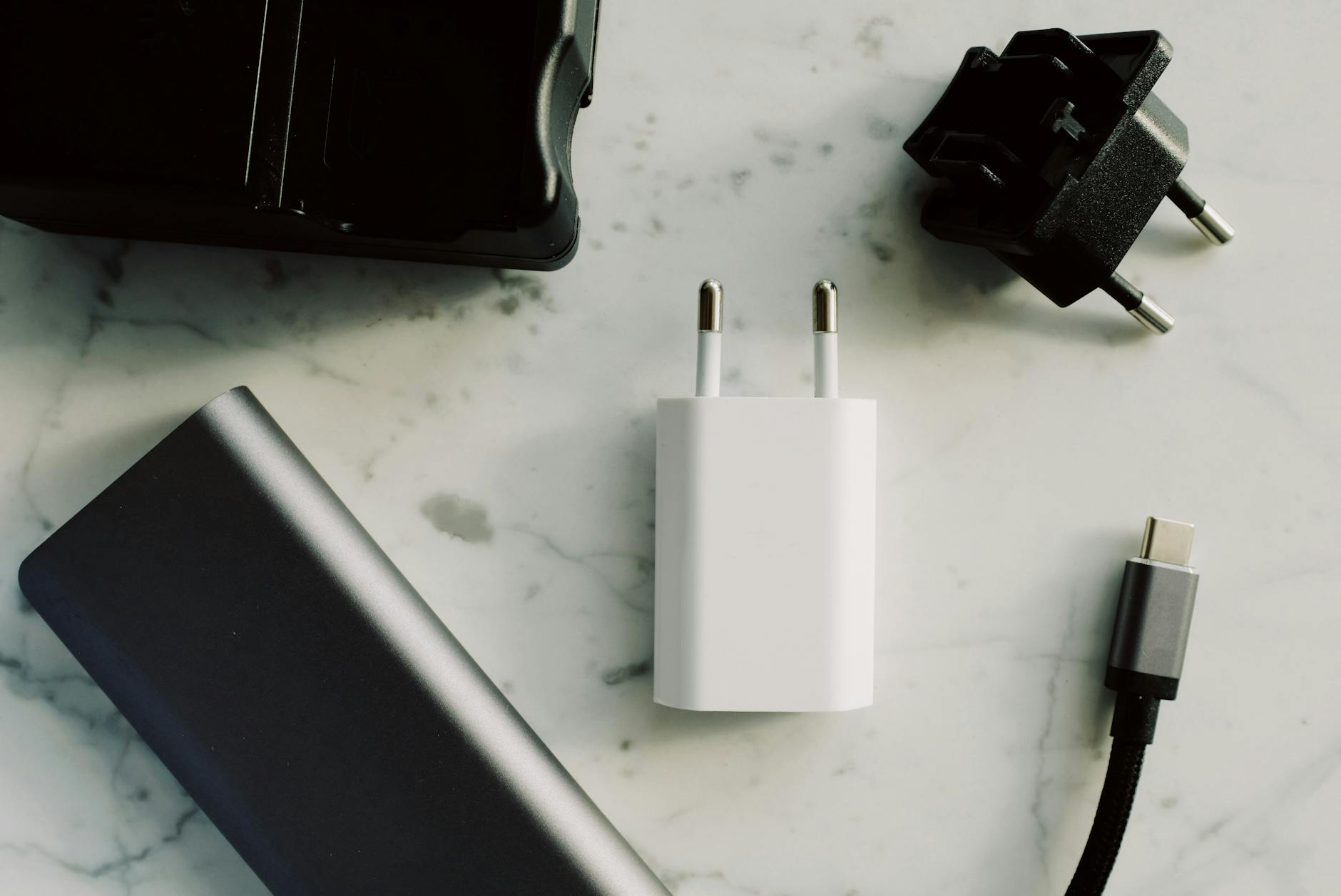
Look for bundles that pair a 65W USB-C wall charger with a compatible power bank. You get one charger for everything, which can charge a phone in around 30 minutes and a laptop in about an hour, plus a portable back-up. Bundles can work out cheaper than buying each item separately, so compare both before you buy.
What else should be in your travel tech kit?
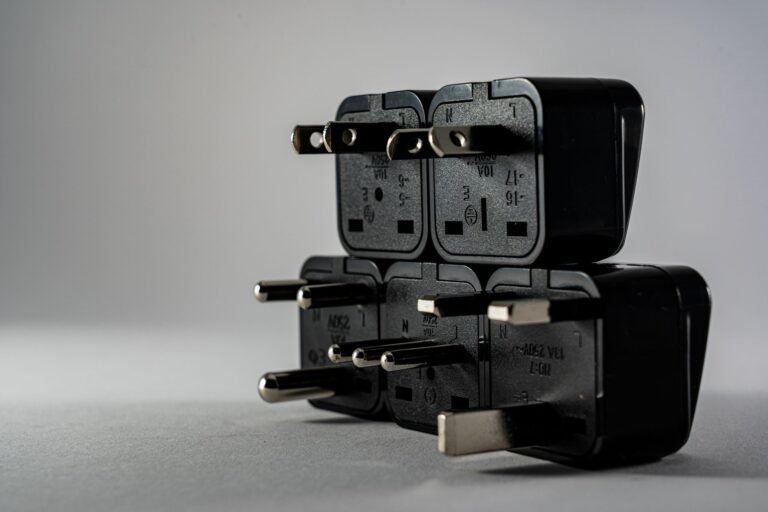
A power bank works best as part of a small kit. Add a universal travel adapter such as the EPICKA Universal Travel Adapter, which works in 150+ countries and has built-in USB ports. Pair it with Apple AirTags to keep track of your gear, and Bose QuietComfort Ultra Earbuds for noise-cancelling on long-haul flights to Asia and beyond.
How we picked these power banks
We shortlisted models against criteria that matter on the road:
- usable capacity, not just the number on the box
- build quality and brand reputation
- compliance with airline carry-on limits
- charging speed and port options
- how often the price drops in sales
We only include models that suit a specific type of traveller.
When to buy a power bank for less
Power banks go on sale several times a year, so there’s rarely a reason to pay full price.
- Set price alerts with a tracker such as CamelCamelCamel or Keepa. Not every advertised deal beats the usual sale price.
- Know a real discount: a genuine 40%+ reduction on Anker or RAVPower is worth acting on.
- Compare major sales: large retail sales such as Black Friday tend to be similar for electronics. Some sales favour current models, while others clear older stock more aggressively. Check you’re getting the newer USB-C version.
- Shop locally: Amazon Australia’s prices, stock and discounts differ from the US store. Check the Australian listing directly rather than relying on US prices.
Frequently asked questions
When are power banks cheapest?
Prices dip during major retail sales throughout the year. Set a price alert on the model you want and buy when it drops to a level you’re happy with. That works better than trying to time a single sale.
Can I bring a 20,000mAh power bank on a plane?
Yes. Power banks under 100Wh (about 27,000mAh) are allowed in carry-on luggage on most airlines. Never pack power banks in checked bags. Some airlines also restrict using or charging power banks during the flight, so check your airline’s rules before you fly.
How many times will a 10,000mAh power bank charge my phone?
About 2–3 full charges for modern smartphones such as the iPhone 15, Samsung Galaxy S24 or Google Pixel 8. Usable capacity is lower than advertised because of conversion loss. Expect about 6,500–7,000mAh of usable power.
Are Anker power banks worth paying more for than cheaper brands?
Usually, yes, for frequent travellers. Anker has a strong reputation for build quality, safety circuitry and warranty support, which matters most when you’re somewhere remote. Budget brands like INIU are good value. For heavy use, Anker typically costs only US$5–10 more for its longevity.
Do I need a power bank with fast charging?
If you have 30 minutes at an airport gate, fast charging (18W+ USB-C PD) can add about 50% battery, compared with about 20% from a standard 5W charger. It’s worth having for rushed travel days and less important for relaxed trips.
What’s the difference between mAh and Wh for power banks?
mAh (milliamp-hours) measures capacity, while Wh (watt-hours) is what airlines use. The formula is Wh = (mAh × voltage) ÷ 1000. Most power banks run at 3.7V, so 27,000mAh is about 100Wh, which is the flight limit.
Are old ‘best portable charger’ lists from 2015 still useful?
Not really. Many older models lack USB-C input and fast charging, which most current phones and laptops use. Choose a current model with USB-C rather than an older one, even if it’s cheaper.
Can I charge my laptop and phone at the same time from one power bank?
Only if the power bank has enough total output. The Anker 737 (65W total) can charge both. Most 10,000mAh models split 12–18W between ports, which is enough for two phones but not a laptop and phone at full speed.
WanderSteals verdict
If you buy one travel gadget, make it the Anker PowerCore 10000. It’s small enough to forget it’s in your bag, has enough capacity to matter when you need it, and is cheap enough that losing it won’t ruin your trip.
Set a price alert, buy when it drops, and don’t overthink it. A dead phone can derail a travel day as easily as a missed connection, and this is an inexpensive problem to solve for good.
Safe travels, and may your battery never hit 1% on the ride to the airport.
As an Amazon Associate WanderSteals earns from qualifying purchases. We also earn from travel-booking partners, at no extra cost to you. Prices and availability change often. Check the current price before you buy.